Buy work-shop.eu ?
We are moving the project
work-shop.eu .
Are you interested in purchasing the domain
work-shop.eu ?
domain@kv-gmbh.de · 0541-91531010
Buy work-shop.eu ?
What does neurodiversity mean in autism?
Neurodiversity in autism refers to the idea that individuals with autism have different neurological wiring and cognitive processes, which should be recognized and respected as a natural variation in human diversity. It emphasizes the strengths and unique perspectives that individuals with autism bring to society, rather than focusing solely on deficits or challenges. Embracing neurodiversity in autism promotes acceptance, inclusion, and support for individuals with autism to thrive in a world that may not always understand or accommodate their differences. **
"Apply despite lack of craftsmanship skills?"
Yes, it is possible to apply for a job or opportunity even if you lack craftsmanship skills. Many employers are willing to provide training and on-the-job experience to individuals who show potential and a willingness to learn. Highlighting any related skills, such as attention to detail, problem-solving abilities, or a strong work ethic, can also help demonstrate your potential for success in a craftsmanship role. Additionally, taking the initiative to learn and improve your skills independently can show your dedication and commitment to the craft. **

Similar search terms for Neurodiversity
Top-Angebote
Products related to Neurodiversity:
-
Pan Make Brilliant Work: Lessons on Creativity, Innovation and Success by Rod Judkins - Paperback - Self-Help/Business Creativity Guide, Author ofMake Brilliant Work is an inspiring guide by Rod Judkins, drawing on the real-life stories of visionaries from Frida Kahlo to Steve Jobs. This paperback book reveals the methods and mindsets that turn ordinary effort into extraordinary results. Judkins proves that talent alone never guaranteed success — persistence, risk-taking and original thinking did. A motivating read for anyone wanting to unlock their creative potential at work or in life. The book profiles figures who failed at school, were told they lacked talent, or were fired more than once, yet went on to achieve great things. Written by Rod Judkins, published by Pan Macmillan, this book is a reassuring truth: you don't have to be naturally brilliant to produce brilliant work.2,99 £*Shipping: 2,99 £Secure redirect to the provider
-
Devon Price Unmasking Autism: The Power of Embracing Our Hidden Neurodiversity (Unmasking Autism Series)Description. Title:. Unmasking Autism: The Power of Embracing Our Hidden Neurodiversity. Condition :BRAND NEW. Format :Paperback. ISBN: 9781800960565. For every visibly Autistic person you meet, there are countless 'masked' people who pass as neurotypical. They don't fit the stereotypical mould of Autism and are often forced by necessity to mask who they are, spending their entire lives trying to hide their Autistic traits. In particular, there is evidence that Autism remains significantly undiagnosed in women, people of colour, trans and gender non-conforming people, many of whom are only now starting to recognise those traits later in life.. Title. Unmasking Autism: The Power of Embracing Our Hidden Neurodiversity (Unmasking Autism Series). Delivery. Content. Reviews9,99 £*Shipping: 2,99 £Secure redirect to the provider
-
DK Children Wonderfully Wired Brains: An Introduction to the World of Neurodiversity by Louise GoodingAn informative and inclusive children's guide to neurodiversity for those not in the know and to inspire children who are neurodivergent. Our brains are unique in the way they function, work, and think. Neurodiversity is still a relatively 'new' concept that can be tricky to understand, but this book is here to help! This inspirational book written by neurodiverse author Louise Gooding challenges misconceptions and shows how neurodivergent brains work a little differently. It is common for neurodiverse people and those with neurological differences to feel as though they don't fit in, but their extraordinary differences should be embraced. Wonderfully Wired Brains teaches children aged 7-9 all about the awesome abilities that neurodiverse individuals have, introduces them to advocates who are challenging neurodiversity stereotypes, and most importantly gives them a safe space to feel accepted. This informative and educational book for children features:- Accurate, understandable explanations of diagnoses that impact the brain, including each area of neurodiversity and what it can or does mean for anyone with that particular neurological difference. - A positive, friendly look at neurodiverse brains that debunks myths and stereotypes. - Informative, inclusive text is accompanied by colourful, modern illustrations. The font and colours used have been selected to accommodate a range of neurodiverse readers. Combining neurodiverse experiences with science, history, and brain-bursting facts, Wonderfully Wired Brains has something for everyone!Whether your child is neurodiverse or not, this book will inspire inquisitive young readers and show them that no two brains function in the same way and that everyone's differences should be celebrated. There really is no other book like it.6,99 £*Shipping: 2,99 £Secure redirect to the provider
-
Louise Gooding Wonderfully Wired Brains: An Introduction to the World of Neurodiversity - Non Fiction - PaperbackTitle:. Wonderfully Wired Brains: An Introduction to the World of Neurodiversity Format: Paperback Overview:. Wonderfully Wired Brains: An Introduction to the World of Neurodiversity offers a thoughtful, approachable entry point into a complex and increasingly relevant topic. This non-fiction paperback invites readers to explore neurodiversity as a spectrum of cognitive variation that shapes how people think, learn, communicate, and interact. The book aims to demystify neurological differences by providing clear definitions, practical examples, and grounding concepts that help readers see strength as well as challenge. Whether you’re a student starting psychology or education, a parent seeking better support for a child, a teacher or manager aiming to foster inclusion, or a curious reader wanting to understand societal dynamics, this title provides a solid foundation. The writing style prioritises accessibility and respect, translating academic ideas into everyday language and concrete scenarios. By focusing on lived experience and real-world contexts—classrooms, workplaces, families, and communities—the book encourages readers to move from awareness to action, cultivating empathy, patience, and practical strategies. The paperback format keeps the content portable for study groups, book clubs, or professional development sessions and makes the concepts easy to reference during discussions or planning conversations. What Makes This Book Stand Out:. This introduction stands out by balancing clarity with care. It presents neurodiversity as an ordinary facet of human variation rather than a medical problem, inviting readers to rethink common assumptions with empathy and precision. The language avoids jargon while delivering accurate concepts, making the material accessible without sacrificing nuance. The text foregrounds strengths—creativity, pattern recognition, problem-solving, and authentic ways of thinking—that neurodivergent minds bring to schools, teams, and communities. It also offers practical, implementable guidance for everyday inclusivity: adaptable communication, flexible pacing, sensory-conscious environments, and collaborative problem-solving that respects individual differences. The result is a resource that’s not only informative but usable—great for quick reference, classroom discussion, or workplace training. And because it stays rooted in real-world relevance, readers can apply the ideas immediately to reduce frustration, increase participation, and foster more inclusive interactions across settings. Who This Book Is Perfect For:. This book is ideal for a wide audience seeking a clear, respectful introduction to neurodiversity. Perfect for students of psychology, education, or social sciences who want foundational insight, it’s also valuable for parents and guardians looking to understand their children’s experiences better. Teachers, school leaders, and HR professionals will find actionable guidance to create more inclusive...4,99 £*Shipping: 2,99 £Secure redirect to the provider


-
How can one improve their craftsmanship skills?
One can improve their craftsmanship skills by practicing regularly and consistently. This can involve working on different projects, experimenting with new techniques, and seeking feedback from others. Additionally, taking classes or workshops to learn from experienced craftsmen can help improve skills. Finally, paying attention to detail, being patient, and having a passion for the craft are essential for developing craftsmanship skills. **
-
How can I improve my craftsmanship skills?
Improving craftsmanship skills takes time and practice. One way to enhance your skills is by dedicating time to regularly practice your craft. Additionally, seeking feedback from more experienced individuals in your field can provide valuable insights for improvement. Engaging in workshops, classes, or online tutorials can also help you learn new techniques and refine your skills. **
-
How does artificially created creativity or computer creativity work?
Artificially created creativity or computer creativity works by using algorithms and machine learning techniques to generate new and innovative ideas, designs, or solutions. These algorithms are trained on large datasets of existing creative works, such as art, music, or literature, and then use that knowledge to generate new content. The process often involves a combination of pattern recognition, probabilistic modeling, and optimization to produce creative outputs that mimic human creativity. While the results may not always be indistinguishable from human creativity, they can still be valuable for generating new ideas and inspiration. **
-
What does handcrafted mean?
Handcrafted refers to items that are made by hand, often by skilled artisans or craftspeople. These items are typically created with attention to detail, care, and craftsmanship, resulting in unique and high-quality products. Handcrafted items often showcase the individuality and creativity of the maker, and can be valued for their authenticity and personal touch. **

How can one formulate creativity and interpersonal skills in a job application?
In a job application, one can formulate creativity by highlighting specific examples of creative problem-solving, innovative ideas, or successful projects that demonstrate their ability to think outside the box. This can be done by providing specific examples of how they have approached challenges in a unique way or contributed to creative solutions within a team. Interpersonal skills can be formulated by showcasing experiences of effective communication, collaboration, and relationship-building with colleagues, clients, or stakeholders. This can be achieved by providing examples of successful teamwork, conflict resolution, or leadership in group projects or previous roles. Additionally, including specific instances of how they have positively impacted team dynamics or contributed to a positive work environment can also demonstrate strong interpersonal skills. **
Why do some people have genes for craftsmanship skills and others do not?
Some people may have genes that predispose them to have certain craftsmanship skills due to genetic variations that influence traits such as hand-eye coordination, spatial reasoning, and attention to detail. These genetic variations can affect how individuals perceive and interact with the world, potentially giving them a natural talent for craftsmanship. On the other hand, individuals who do not have these specific genetic variations may not possess the same innate abilities for craftsmanship skills. Additionally, environmental factors such as upbringing, education, and practice can also play a significant role in developing craftsmanship skills, regardless of genetic predispositions. **
Top-Angebote
Products related to Neurodiversity:
-
Make Brilliant Work: Lessons on Creativity, Innovation, and Success by Rod JudkinsDescription. Condition: BRAND NEW. Format: Paperback. Make Brilliant Work is an inspiring guide to unlocking your creative potential, showing you the methods and techniques that will transform your efforts and help you achieve your best ever work.. You don’t have to be brilliant to produce brilliant work. Many of the characters you will meet in this book failed at school, lacked natural talent, were not especially gifted or were repeatedly sacked. But their methods produced brilliant work – and they will work for you, too. Make Brilliant Work is the essential book from Rod Judkins, author of the international bestseller The Art of Creative Thinking.. Whatever your creative endeavour, you might find it hard to produce something significant and important. The real-life heroes in this book will show you how to make the transformation from ordinary to extraordinary. From Frida Kahlo to Steve Jobs, and star architect Zaha Hadid: the figures in Make Brilliant Work will show you how to think for yourself, take risks and persevere to create brilliant work.. Title. Make Brilliant Work: Lessons on Creativity, Innovation, and Success by Rod Judkins. Delivery. Content. Reviews2,49 £*Shipping: 2,99 £Secure redirect to the provider
-
Pan Make Brilliant Work: Lessons on Creativity, Innovation and Success by Rod Judkins - Paperback - Self-Help/Business Creativity Guide, Author ofMake Brilliant Work is an inspiring guide by Rod Judkins, drawing on the real-life stories of visionaries from Frida Kahlo to Steve Jobs. This paperback book reveals the methods and mindsets that turn ordinary effort into extraordinary results. Judkins proves that talent alone never guaranteed success — persistence, risk-taking and original thinking did. A motivating read for anyone wanting to unlock their creative potential at work or in life. The book profiles figures who failed at school, were told they lacked talent, or were fired more than once, yet went on to achieve great things. Written by Rod Judkins, published by Pan Macmillan, this book is a reassuring truth: you don't have to be naturally brilliant to produce brilliant work.2,99 £*Shipping: 2,99 £Secure redirect to the provider
-
Devon Price Unmasking Autism: The Power of Embracing Our Hidden Neurodiversity (Unmasking Autism Series)Description. Title:. Unmasking Autism: The Power of Embracing Our Hidden Neurodiversity. Condition :BRAND NEW. Format :Paperback. ISBN: 9781800960565. For every visibly Autistic person you meet, there are countless 'masked' people who pass as neurotypical. They don't fit the stereotypical mould of Autism and are often forced by necessity to mask who they are, spending their entire lives trying to hide their Autistic traits. In particular, there is evidence that Autism remains significantly undiagnosed in women, people of colour, trans and gender non-conforming people, many of whom are only now starting to recognise those traits later in life.. Title. Unmasking Autism: The Power of Embracing Our Hidden Neurodiversity (Unmasking Autism Series). Delivery. Content. Reviews9,99 £*Shipping: 2,99 £Secure redirect to the provider
-
What does neurodiversity mean in autism?
Neurodiversity in autism refers to the idea that individuals with autism have different neurological wiring and cognitive processes, which should be recognized and respected as a natural variation in human diversity. It emphasizes the strengths and unique perspectives that individuals with autism bring to society, rather than focusing solely on deficits or challenges. Embracing neurodiversity in autism promotes acceptance, inclusion, and support for individuals with autism to thrive in a world that may not always understand or accommodate their differences. **
-
"Apply despite lack of craftsmanship skills?"
Yes, it is possible to apply for a job or opportunity even if you lack craftsmanship skills. Many employers are willing to provide training and on-the-job experience to individuals who show potential and a willingness to learn. Highlighting any related skills, such as attention to detail, problem-solving abilities, or a strong work ethic, can also help demonstrate your potential for success in a craftsmanship role. Additionally, taking the initiative to learn and improve your skills independently can show your dedication and commitment to the craft. **
-
How can one improve their craftsmanship skills?
One can improve their craftsmanship skills by practicing regularly and consistently. This can involve working on different projects, experimenting with new techniques, and seeking feedback from others. Additionally, taking classes or workshops to learn from experienced craftsmen can help improve skills. Finally, paying attention to detail, being patient, and having a passion for the craft are essential for developing craftsmanship skills. **
-
How can I improve my craftsmanship skills?
Improving craftsmanship skills takes time and practice. One way to enhance your skills is by dedicating time to regularly practice your craft. Additionally, seeking feedback from more experienced individuals in your field can provide valuable insights for improvement. Engaging in workshops, classes, or online tutorials can also help you learn new techniques and refine your skills. **
Similar search terms for Neurodiversity
-
DK Children Wonderfully Wired Brains: An Introduction to the World of Neurodiversity by Louise GoodingAn informative and inclusive children's guide to neurodiversity for those not in the know and to inspire children who are neurodivergent. Our brains are unique in the way they function, work, and think. Neurodiversity is still a relatively 'new' concept that can be tricky to understand, but this book is here to help! This inspirational book written by neurodiverse author Louise Gooding challenges misconceptions and shows how neurodivergent brains work a little differently. It is common for neurodiverse people and those with neurological differences to feel as though they don't fit in, but their extraordinary differences should be embraced. Wonderfully Wired Brains teaches children aged 7-9 all about the awesome abilities that neurodiverse individuals have, introduces them to advocates who are challenging neurodiversity stereotypes, and most importantly gives them a safe space to feel accepted. This informative and educational book for children features:- Accurate, understandable explanations of diagnoses that impact the brain, including each area of neurodiversity and what it can or does mean for anyone with that particular neurological difference. - A positive, friendly look at neurodiverse brains that debunks myths and stereotypes. - Informative, inclusive text is accompanied by colourful, modern illustrations. The font and colours used have been selected to accommodate a range of neurodiverse readers. Combining neurodiverse experiences with science, history, and brain-bursting facts, Wonderfully Wired Brains has something for everyone!Whether your child is neurodiverse or not, this book will inspire inquisitive young readers and show them that no two brains function in the same way and that everyone's differences should be celebrated. There really is no other book like it.6,99 £*Shipping: 2,99 £Secure redirect to the provider
-
Louise Gooding Wonderfully Wired Brains: An Introduction to the World of Neurodiversity - Non Fiction - PaperbackTitle:. Wonderfully Wired Brains: An Introduction to the World of Neurodiversity Format: Paperback Overview:. Wonderfully Wired Brains: An Introduction to the World of Neurodiversity offers a thoughtful, approachable entry point into a complex and increasingly relevant topic. This non-fiction paperback invites readers to explore neurodiversity as a spectrum of cognitive variation that shapes how people think, learn, communicate, and interact. The book aims to demystify neurological differences by providing clear definitions, practical examples, and grounding concepts that help readers see strength as well as challenge. Whether you’re a student starting psychology or education, a parent seeking better support for a child, a teacher or manager aiming to foster inclusion, or a curious reader wanting to understand societal dynamics, this title provides a solid foundation. The writing style prioritises accessibility and respect, translating academic ideas into everyday language and concrete scenarios. By focusing on lived experience and real-world contexts—classrooms, workplaces, families, and communities—the book encourages readers to move from awareness to action, cultivating empathy, patience, and practical strategies. The paperback format keeps the content portable for study groups, book clubs, or professional development sessions and makes the concepts easy to reference during discussions or planning conversations. What Makes This Book Stand Out:. This introduction stands out by balancing clarity with care. It presents neurodiversity as an ordinary facet of human variation rather than a medical problem, inviting readers to rethink common assumptions with empathy and precision. The language avoids jargon while delivering accurate concepts, making the material accessible without sacrificing nuance. The text foregrounds strengths—creativity, pattern recognition, problem-solving, and authentic ways of thinking—that neurodivergent minds bring to schools, teams, and communities. It also offers practical, implementable guidance for everyday inclusivity: adaptable communication, flexible pacing, sensory-conscious environments, and collaborative problem-solving that respects individual differences. The result is a resource that’s not only informative but usable—great for quick reference, classroom discussion, or workplace training. And because it stays rooted in real-world relevance, readers can apply the ideas immediately to reduce frustration, increase participation, and foster more inclusive interactions across settings. Who This Book Is Perfect For:. This book is ideal for a wide audience seeking a clear, respectful introduction to neurodiversity. Perfect for students of psychology, education, or social sciences who want foundational insight, it’s also valuable for parents and guardians looking to understand their children’s experiences better. Teachers, school leaders, and HR professionals will find actionable guidance to create more inclusive...4,99 £*Shipping: 2,99 £Secure redirect to the provider
-
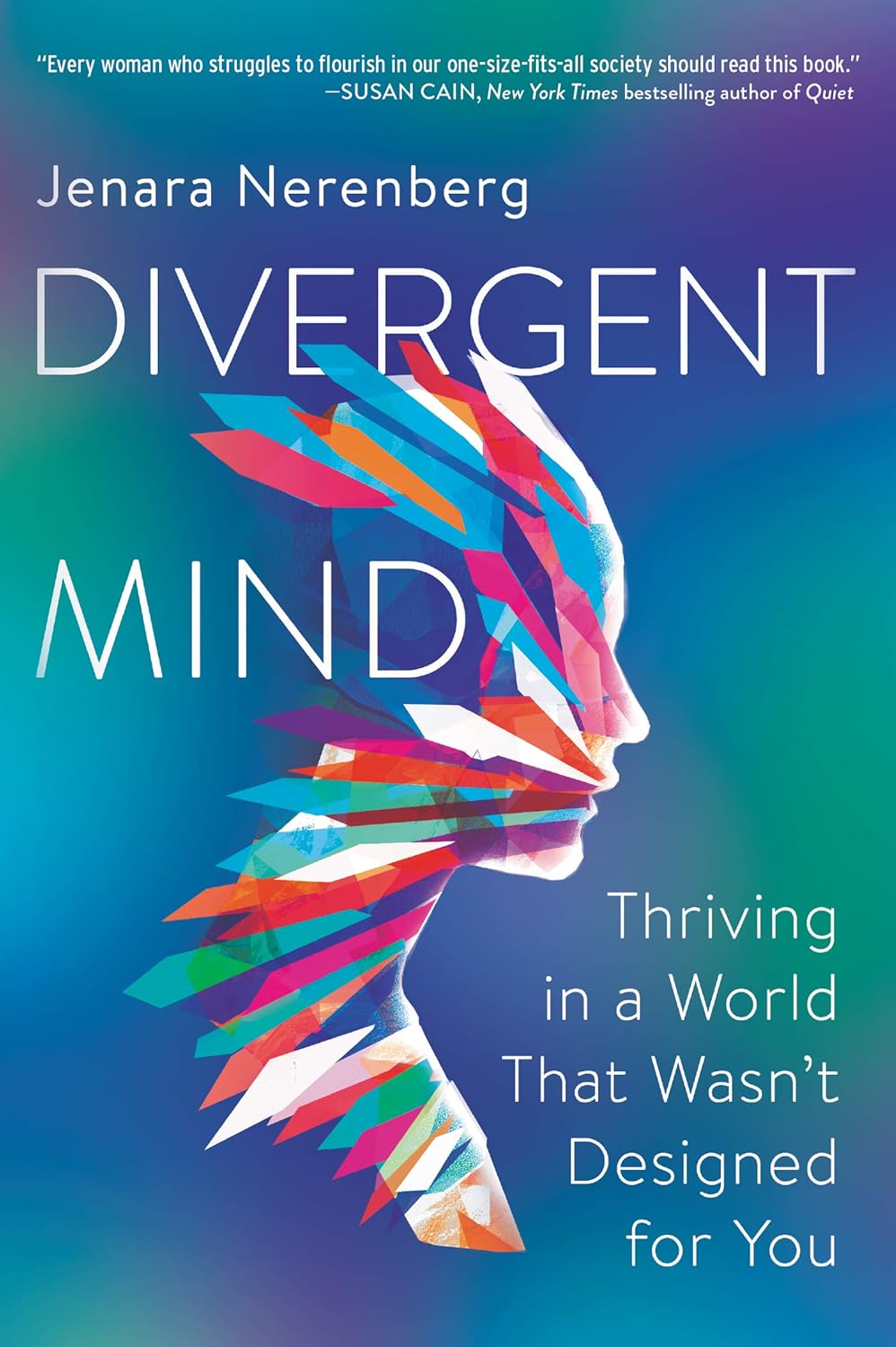
Various Publishers Emotional Intelligence & Divergent Mind 2 Books Collection Set - Self-Help & Neurodiversity Paperback - Personal Growth Gift SetThis two-book paperback set pairs a practical guide to emotional mastery with an eye-opening look at neurodivergent minds. Emotional Intelligence: Unlocking Your Potential for Professional and Personal Success offers a guide to understanding and managing emotions, while Divergent Mind: Thriving in a World That Wasn't Designed for You explores the hidden strengths of ADHD, autism, sensory processing differences and more. Together, they provide a rounded toolkit for personal development, helping readers understand themselves and others more deeply. The books are in brand new condition, published by The Readers Paradise / HarperOne, and are a thoughtful pick for personal development shelves, classrooms, workplaces, or as a considered gift for a reader who values growth, empathy and inclusion.8,99 £*Shipping: 2,99 £Secure redirect to the provider
-
James Zeiger Minecraft Beginner's Guide (21st Century Skills Innovation Library: Unofficial Guides Junior) - Non Fiction - PaperbackTitle:. Minecraft Beginner's Guide Condition: BRAND NEW. Format: Paperback. ISBN: Overview:. Dive into the world of Minecraft with this kid-friendly introduction designed for young builders and curious minds. The Minecraft Beginner's Guide, part of the 21st Century Skills Innovation Library: Unofficial Guides Junior, is crafted for readers who are stepping into blocky worlds for the first time. It explains the game’s core ideas in clear, approachable language, pairing each concept with simple visuals and practical, step-by-step guidance. From gathering resources and crafting essential items to planning safe bases and exploring biomes, the book teaches critical thinking, problem-solving, and creativity in a hands-on way. The paperback format keeps reading light and portable, making it ideal for reading at home, on journeys, or in the classroom. Beyond the how-to, it encourages safe, responsible gaming and helps young players build confidence as they experiment and iterate. This is not just a manual; it’s a springboard for independent play, storytelling in a sandbox environment, and the thrill of turning ideas into buildable, shareable worlds. A thoughtful gift for budding coders and creative minds alike, it channels Minecraft’s excitement into tangible, real-world skills. What Makes This Book Stand Out:. What sets this Minecraft beginner’s guide apart is its careful balance of accessibility and depth. Written for younger readers, it uses friendly, age-appropriate language and concise explanations that demystify complex ideas without talking down to the reader. The layout emphasises clear steps, quick win moments, and visual cues that reinforce learning by doing. Readers don’t just memorize recipes; they learn problem-solving strategies, planning, and experimentation—skills that transfer beyond the game. The inclusion of safe gaming guidance aligns with parents’ and teachers’ expectations for younger players, making it a reliable tool for independent reading, guided gaming sessions, or classroom activities. This book is genuinely engaging, turning browser curiosity into confident, curious builders who can imagine, design, and execute their own Minecraft projects. Who This Book Is Perfect For:. This book is ideal for children aged roughly 8–12 who are new to Minecraft or want a clear, structured start. It also serves as a practical resource for parents seeking kid-friendly explanations, for teachers looking to integrate digital literacy into lessons, and for gift buyers searching for an engaging STEM-inspired present. Perfect for early readers who enjoy visuals, short chapters, and actionable steps, it supports growing independence and safe play habits. Whether a family reads together or a classroom uses it as a mini-curriculum, this guide makes Minecraft approachable and enjoyable from page one. Key Highlights:. Clear, beginner-friendly explanations tailored to younger readers. Step-by-step guidance paired with friendly visuals. Focus on planning,...10,82 £*Shipping: 2,99 £Secure redirect to the provider
-
How does artificially created creativity or computer creativity work?
Artificially created creativity or computer creativity works by using algorithms and machine learning techniques to generate new and innovative ideas, designs, or solutions. These algorithms are trained on large datasets of existing creative works, such as art, music, or literature, and then use that knowledge to generate new content. The process often involves a combination of pattern recognition, probabilistic modeling, and optimization to produce creative outputs that mimic human creativity. While the results may not always be indistinguishable from human creativity, they can still be valuable for generating new ideas and inspiration. **
-
What does handcrafted mean?
Handcrafted refers to items that are made by hand, often by skilled artisans or craftspeople. These items are typically created with attention to detail, care, and craftsmanship, resulting in unique and high-quality products. Handcrafted items often showcase the individuality and creativity of the maker, and can be valued for their authenticity and personal touch. **
-
How can one formulate creativity and interpersonal skills in a job application?
In a job application, one can formulate creativity by highlighting specific examples of creative problem-solving, innovative ideas, or successful projects that demonstrate their ability to think outside the box. This can be done by providing specific examples of how they have approached challenges in a unique way or contributed to creative solutions within a team. Interpersonal skills can be formulated by showcasing experiences of effective communication, collaboration, and relationship-building with colleagues, clients, or stakeholders. This can be achieved by providing examples of successful teamwork, conflict resolution, or leadership in group projects or previous roles. Additionally, including specific instances of how they have positively impacted team dynamics or contributed to a positive work environment can also demonstrate strong interpersonal skills. **
-
Why do some people have genes for craftsmanship skills and others do not?
Some people may have genes that predispose them to have certain craftsmanship skills due to genetic variations that influence traits such as hand-eye coordination, spatial reasoning, and attention to detail. These genetic variations can affect how individuals perceive and interact with the world, potentially giving them a natural talent for craftsmanship. On the other hand, individuals who do not have these specific genetic variations may not possess the same innate abilities for craftsmanship skills. Additionally, environmental factors such as upbringing, education, and practice can also play a significant role in developing craftsmanship skills, regardless of genetic predispositions. **
* All prices are inclusive of VAT and, if applicable, plus shipping costs. The offer information is based on the details provided by the respective shop and is updated through automated processes. Real-time updates do not occur, so deviations can occur in individual cases. ** Note: Parts of this content were created by AI.