Buy work-shop.eu ?
We are moving the project
work-shop.eu .
Are you interested in purchasing the domain
work-shop.eu ?
domain@kv-gmbh.de · 0541-91531010
Buy work-shop.eu ?
Why do some people have genes for craftsmanship skills and others do not?
Some people may have genes that predispose them to have certain craftsmanship skills due to genetic variations that influence traits such as hand-eye coordination, spatial reasoning, and attention to detail. These genetic variations can affect how individuals perceive and interact with the world, potentially giving them a natural talent for craftsmanship. On the other hand, individuals who do not have these specific genetic variations may not possess the same innate abilities for craftsmanship skills. Additionally, environmental factors such as upbringing, education, and practice can also play a significant role in developing craftsmanship skills, regardless of genetic predispositions. **
Why do some people have genes for craftsmanship skills while others do not?
Some people may have genes that predispose them to have better craftsmanship skills due to genetic variations that influence traits like hand-eye coordination, spatial awareness, and attention to detail. These genetic factors can contribute to an individual's natural abilities in areas such as woodworking, painting, or sculpting. However, it is important to note that environmental factors, such as upbringing, education, and practice, also play a significant role in developing and honing craftsmanship skills. **


Similar search terms for Genes
Top-Angebote
Products related to Genes:
-
Pan Make Brilliant Work: Lessons on Creativity, Innovation and Success by Rod Judkins - Paperback - Self-Help/Business Creativity Guide, Author ofMake Brilliant Work is an inspiring guide by Rod Judkins, drawing on the real-life stories of visionaries from Frida Kahlo to Steve Jobs. This paperback book reveals the methods and mindsets that turn ordinary effort into extraordinary results. Judkins proves that talent alone never guaranteed success — persistence, risk-taking and original thinking did. A motivating read for anyone wanting to unlock their creative potential at work or in life. The book profiles figures who failed at school, were told they lacked talent, or were fired more than once, yet went on to achieve great things. Written by Rod Judkins, published by Pan Macmillan, this book is a reassuring truth: you don't have to be naturally brilliant to produce brilliant work.2,99 £*Shipping: 2,99 £Secure redirect to the provider
-
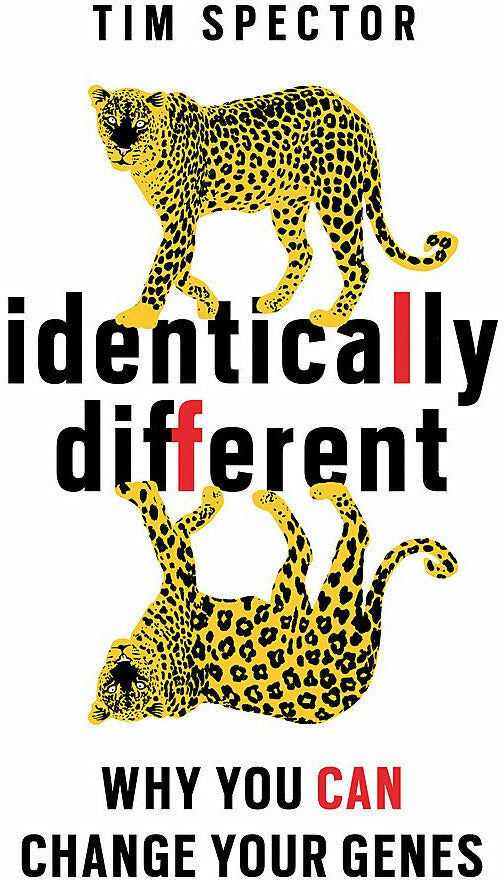
Orion Identically Different: Why You Can Change Your Genes by Professor Tim SpectorSince the discovery of DNA, scientists have believed that genes are fixed entities that cannot be changed by environment - we inherit them, pass them on to our children and take them with us when we die.Professor Tim Spector reveals how the latest genetic research and his own pioneering studies on epigenetics are rewriting everything we thought we knew about genes, identity and evolution. Conceptually, he explains, our genes are not fixed entities but more like plastic, able to change shape and evolve, and these changes can be passed on to future generations.Tim Spector's dazzling guide to the hidden world of our genes reveals the complex role they play in shaping our identities, and will make you think again about everything from sexuality to religion, cancer to autism, politics to pubic hair, clones to bacteria, and what it is that makes us all so unique and quintessentially human.3,70 £*Shipping: 1,99 £Secure redirect to the provider
-
Dirty Genes By Ben Lynch & Identically Different By Professor Tim Spector 2 Books Collection SetDescription. Dirty Genes:. After suffering for years with unexplainable health issues, Dr. Ben Lynch discovered the root cause—“dirty” genes. Genes can be “born dirty” or merely “act dirty” in response to your environment, diet, or lifestyle—causing lifelong, life-threatening, and chronic health problems, including cardiovascular disease, autoimmune disorders, anxiety, depression, digestive issues, obesity, cancer, and diabetes. Based on his own experience and successfully helping thousands of clients, Dr. Lynch shows you how to identify and optimize both types of dirty genes by cleaning them up with targeted and personalized plans, including healthy eating, good sleep, stress relief, environmental detox, and other holistic and natural means.. Identically Different:. Professor Tim Spector reveals how the latest genetic research and his own pioneering studies on epigenetics are rewriting everything we thought we knew about genes, identity and evolution. Conceptually, he explains, our genes are not fixed entities but more like plastic, able to change shape and evolve, and these changes can be passed on to future generations. Tim Spector's dazzling guide to the hidden world of our genes reveals the complex role they play in shaping our identities, and will make you think again about everything from sexuality to religion, cancer to autism, politics to pubic hair, clones to bacteria, and what it is that makes us all so unique and quintessentially human. Title. Dirty Genes By Ben Lynch & Identically Different By Professor Tim Spector 2 Books Collection Set. Delivery. Content. Reviews99,99 £*Shipping: 0,00 £Secure redirect to the provider
-
Ben Lynch Dirty Genes: A Breakthrough Program to Treat the Root Cause of Illness and Optimize Your HealthDescription. After suffering for years with unexplainable health issues, Dr. Ben Lynch discovered the root cause—“dirty” genes. Genes can be “born dirty” or merely “act dirty” in response to your environment, diet, or lifestyle—causing lifelong, life-threatening, and chronic health problems, including cardiovascular disease, autoimmune disorders, anxiety, depression, digestive issues, obesity, cancer, and diabetes.. Title. Dirty Genes: A Breakthrough Program to Treat the Root Cause of Illness and Optimize Your Health. Delivery. Content. Reviews12,99 £*Shipping: 2,99 £Secure redirect to the provider



-
How exactly do genes work?
Genes are segments of DNA that contain the instructions for building and maintaining an organism. They work by encoding specific proteins that carry out various functions in the body. When a gene is activated, it is transcribed into a messenger RNA molecule, which is then translated into a specific protein. These proteins then carry out their specific functions, such as regulating metabolism, cell growth, and immune response. Genes also play a role in determining an organism's traits and characteristics through the expression of specific proteins. **
-
Are foreign genes becoming more dominant than German genes?
It is not accurate to say that foreign genes are becoming more dominant than German genes. Genetic diversity is a natural and important aspect of human populations, and the mixing of genes from different populations has been occurring throughout history. While there may be an increase in genetic diversity due to globalization and increased migration, it does not mean that foreign genes are becoming more dominant. It is important to recognize and celebrate the diversity of genes within the German population and to understand that genetic diversity is a reflection of the interconnectedness of human populations around the world. **
-
What are genes?
Genes are segments of DNA that contain instructions for building proteins, which are essential for the structure and function of our bodies. They are the basic unit of heredity and are passed down from parents to offspring. Genes determine traits such as eye color, height, and susceptibility to certain diseases. Mutations in genes can lead to genetic disorders or variations in traits. **
-
How does the decoupling of genes work?
Decoupling of genes occurs when two or more genes that were previously linked together become unlinked, allowing them to be inherited independently. This can happen through processes such as genetic recombination during meiosis, which can separate linked genes onto different chromosomes. Decoupling of genes allows for greater genetic diversity and the potential for new combinations of traits to arise in offspring. This process is important for evolution and adaptation, as it allows for the mixing and matching of different genetic traits. **


Are these the genes?
No, the genes are not visible in the image provided. The image appears to show a close-up of a person's eye, which does not display genes. Genes are segments of DNA that are responsible for determining specific traits in an organism, and they are not visible to the naked eye. To see genes, one would need to use specialized equipment like a microscope to observe the DNA molecules that make up the genes. **
What are good genes?
Good genes refer to genetic traits that are beneficial for an individual's overall health, fitness, and reproductive success. These traits can include resistance to diseases, physical attractiveness, intelligence, and longevity. Good genes are often associated with increased chances of survival and successful reproduction, leading to the passing on of these advantageous traits to future generations. **
Top-Angebote
Products related to Genes:
-
Make Brilliant Work: Lessons on Creativity, Innovation, and Success by Rod JudkinsDescription. Condition: BRAND NEW. Format: Paperback. Make Brilliant Work is an inspiring guide to unlocking your creative potential, showing you the methods and techniques that will transform your efforts and help you achieve your best ever work.. You don’t have to be brilliant to produce brilliant work. Many of the characters you will meet in this book failed at school, lacked natural talent, were not especially gifted or were repeatedly sacked. But their methods produced brilliant work – and they will work for you, too. Make Brilliant Work is the essential book from Rod Judkins, author of the international bestseller The Art of Creative Thinking.. Whatever your creative endeavour, you might find it hard to produce something significant and important. The real-life heroes in this book will show you how to make the transformation from ordinary to extraordinary. From Frida Kahlo to Steve Jobs, and star architect Zaha Hadid: the figures in Make Brilliant Work will show you how to think for yourself, take risks and persevere to create brilliant work.. Title. Make Brilliant Work: Lessons on Creativity, Innovation, and Success by Rod Judkins. Delivery. Content. Reviews2,49 £*Shipping: 2,99 £Secure redirect to the provider
-
Identically Different: Why You Can Change Your Genes By Professor Tim SpectorDescription:. Condition: BRAND NEW. Format: Paperback. Since the discovery of DNA, scientists have believed that genes are fixed entities that cannot be changed by environment - we inherit them, pass them on to our children and take them with us when we die.. Professor Tim Spector reveals how the latest genetic research and his own pioneering studies on epigenetics are rewriting everything we thought we knew about genes, identity and evolution. Conceptually, he explains, our genes are not fixed entities but more like plastic, able to change shape and evolve, and these changes can be passed on to future generations.. Title. Identically Different: Why You Can Change Your Genes By Professor Tim Spector. Delivery. Content. Reviews2,99 £*Shipping: 2,99 £Secure redirect to the provider
-
Pan Make Brilliant Work: Lessons on Creativity, Innovation and Success by Rod Judkins - Paperback - Self-Help/Business Creativity Guide, Author ofMake Brilliant Work is an inspiring guide by Rod Judkins, drawing on the real-life stories of visionaries from Frida Kahlo to Steve Jobs. This paperback book reveals the methods and mindsets that turn ordinary effort into extraordinary results. Judkins proves that talent alone never guaranteed success — persistence, risk-taking and original thinking did. A motivating read for anyone wanting to unlock their creative potential at work or in life. The book profiles figures who failed at school, were told they lacked talent, or were fired more than once, yet went on to achieve great things. Written by Rod Judkins, published by Pan Macmillan, this book is a reassuring truth: you don't have to be naturally brilliant to produce brilliant work.2,99 £*Shipping: 2,99 £Secure redirect to the provider
-
Orion Identically Different: Why You Can Change Your Genes by Professor Tim SpectorSince the discovery of DNA, scientists have believed that genes are fixed entities that cannot be changed by environment - we inherit them, pass them on to our children and take them with us when we die.Professor Tim Spector reveals how the latest genetic research and his own pioneering studies on epigenetics are rewriting everything we thought we knew about genes, identity and evolution. Conceptually, he explains, our genes are not fixed entities but more like plastic, able to change shape and evolve, and these changes can be passed on to future generations.Tim Spector's dazzling guide to the hidden world of our genes reveals the complex role they play in shaping our identities, and will make you think again about everything from sexuality to religion, cancer to autism, politics to pubic hair, clones to bacteria, and what it is that makes us all so unique and quintessentially human.3,70 £*Shipping: 1,99 £Secure redirect to the provider
-
Why do some people have genes for craftsmanship skills and others do not?
Some people may have genes that predispose them to have certain craftsmanship skills due to genetic variations that influence traits such as hand-eye coordination, spatial reasoning, and attention to detail. These genetic variations can affect how individuals perceive and interact with the world, potentially giving them a natural talent for craftsmanship. On the other hand, individuals who do not have these specific genetic variations may not possess the same innate abilities for craftsmanship skills. Additionally, environmental factors such as upbringing, education, and practice can also play a significant role in developing craftsmanship skills, regardless of genetic predispositions. **
-
Why do some people have genes for craftsmanship skills while others do not?
Some people may have genes that predispose them to have better craftsmanship skills due to genetic variations that influence traits like hand-eye coordination, spatial awareness, and attention to detail. These genetic factors can contribute to an individual's natural abilities in areas such as woodworking, painting, or sculpting. However, it is important to note that environmental factors, such as upbringing, education, and practice, also play a significant role in developing and honing craftsmanship skills. **
-
How exactly do genes work?
Genes are segments of DNA that contain the instructions for building and maintaining an organism. They work by encoding specific proteins that carry out various functions in the body. When a gene is activated, it is transcribed into a messenger RNA molecule, which is then translated into a specific protein. These proteins then carry out their specific functions, such as regulating metabolism, cell growth, and immune response. Genes also play a role in determining an organism's traits and characteristics through the expression of specific proteins. **
-
Are foreign genes becoming more dominant than German genes?
It is not accurate to say that foreign genes are becoming more dominant than German genes. Genetic diversity is a natural and important aspect of human populations, and the mixing of genes from different populations has been occurring throughout history. While there may be an increase in genetic diversity due to globalization and increased migration, it does not mean that foreign genes are becoming more dominant. It is important to recognize and celebrate the diversity of genes within the German population and to understand that genetic diversity is a reflection of the interconnectedness of human populations around the world. **
Similar search terms for Genes
-
Dirty Genes By Ben Lynch & Identically Different By Professor Tim Spector 2 Books Collection SetDescription. Dirty Genes:. After suffering for years with unexplainable health issues, Dr. Ben Lynch discovered the root cause—“dirty” genes. Genes can be “born dirty” or merely “act dirty” in response to your environment, diet, or lifestyle—causing lifelong, life-threatening, and chronic health problems, including cardiovascular disease, autoimmune disorders, anxiety, depression, digestive issues, obesity, cancer, and diabetes. Based on his own experience and successfully helping thousands of clients, Dr. Lynch shows you how to identify and optimize both types of dirty genes by cleaning them up with targeted and personalized plans, including healthy eating, good sleep, stress relief, environmental detox, and other holistic and natural means.. Identically Different:. Professor Tim Spector reveals how the latest genetic research and his own pioneering studies on epigenetics are rewriting everything we thought we knew about genes, identity and evolution. Conceptually, he explains, our genes are not fixed entities but more like plastic, able to change shape and evolve, and these changes can be passed on to future generations. Tim Spector's dazzling guide to the hidden world of our genes reveals the complex role they play in shaping our identities, and will make you think again about everything from sexuality to religion, cancer to autism, politics to pubic hair, clones to bacteria, and what it is that makes us all so unique and quintessentially human. Title. Dirty Genes By Ben Lynch & Identically Different By Professor Tim Spector 2 Books Collection Set. Delivery. Content. Reviews99,99 £*Shipping: 0,00 £Secure redirect to the provider
-
Ben Lynch Dirty Genes: A Breakthrough Program to Treat the Root Cause of Illness and Optimize Your HealthDescription. After suffering for years with unexplainable health issues, Dr. Ben Lynch discovered the root cause—“dirty” genes. Genes can be “born dirty” or merely “act dirty” in response to your environment, diet, or lifestyle—causing lifelong, life-threatening, and chronic health problems, including cardiovascular disease, autoimmune disorders, anxiety, depression, digestive issues, obesity, cancer, and diabetes.. Title. Dirty Genes: A Breakthrough Program to Treat the Root Cause of Illness and Optimize Your Health. Delivery. Content. Reviews12,99 £*Shipping: 2,99 £Secure redirect to the provider
-
A Brief History Of Everyone Who Ever Lived: The Stories In Our Genes By Adam Rutherford - Non Fiction - PaperbackTitle:. A Brief History of Everyone Who Ever Lived: The Stories in Our Genes Condition: BRAND NEW. Format: Paperback Overview:. What if your DNA is not just a set of recipes for how you look or how tall you might be, but a personal history book written across generations? In A Brief History of Everyone Who Ever Lived: The Stories in Our Genes, Adam Rutherford invites readers to discover the living archive inside us all. This engaging non-fiction explores how our genomes preserve the journeys of births, migrations, plagues, wars, and everyday human drama. It blends rigorous science with vivid storytelling to illuminate how genetic variation arises, why populations diverge, and how evolutionary forces shape who we are today. Rutherford makes complex ideas approachable without dumbing them down, guiding you through ancestry, disease, and the enduring myths that still surround genetics. The UK edition enhances the reading experience with a deeply thoughtful presentation and a tone that feels like a conversation with a knowledgeable friend who loves biology as much as you do. Whether you’re curious about your own origins, fascinated by population history, or seeking a thought-provoking gift for a science-minded reader, this paperback delivers clarity, wit, and humanity in equal measure. What Makes This Book Stand Out:. This book stands out by turning abstract genetic data into a compelling human story. Rutherford threads real-world case studies with clear explanations of how genetic variation arises, why “race” is not a biological determinant, and how ancestry tracing works—without oversimplifying. His voice is calm, confident, and gently provocative, inviting readers to question assumptions while embracing the wonder of science. The narrative unfolds like a modern mystery: from mitochondrial DNA to the social forces that shape how we think about kinship, each chapter reveals a fresh facet of our shared inheritance. The prose remains precise and lively, balancing rigorous science with accessible language and memorable analogies. It’s the perfect entry point for readers who want a trustworthy, evidence-based look at genetics, health histories, and humanity’s collective voyage, all wrapped in a beautifully designed paperback that feels crafted for curious minds. Who This Book Is Perfect For:. Ideal for readers of popular science who want a solid, accessible tour of genetics and human history. It’s tailor-made for students exploring biology, teachers seeking a compelling supplement to curricula, and anyone who has wondered what their genes reveal about the past. This is a thoughtful gift for non-fiction lovers, BookTok enthusiasts seeking well-researched brilliance, and families exploring ancestry and health topics together. If you appreciate science written with integrity—where complexity is welcomed and explained—this book will resonate. It also suits readers looking for a conversation-starting introduction to genomics that respects your intelligence...99,99 £*Shipping: 0,00 £Secure redirect to the provider
-
Ben Lynch, Gene Stone Michael Greger, Dirty Genes, How Not To Die, The Complete Guide To Anti-Inflammatory Foods 3 Books Collection SetDescription. Dirty Genes:. Dr. Ben Lynch discovered the root cause—“dirty” genes. Genes can be “born dirty” or merely “act dirty” in response to your environment, diet, or lifestyle—causing lifelong, life-threatening, and chronic health problems, including cardiovascular disease, autoimmune disorders, anxiety, depression, digestive issues, obesity, cancer, and diabetes.. How Not To Die:. How Not To Die gives effective, scientifically-proven nutritional advice to prevent our biggest killers - including heart disease, breast cancer, prostate cancer, high blood pressure and diabetes - and reveals the astounding health benefits that simple dietary choices can provide.Based on the latest scientific research, the internationally bestselling How Not To Die examines each of the most common diseases to reveal what, how and why different foods affect us, and how increasing our consumption of certain foods and avoiding others can dramatically reduce our risk of falling sick and even reverse the effects of disease.. The Complete Guide To Anti-Inflammatory Foods:. The older we get, the more likely inflammation of the body can be harmful and cause long-term damage. Researchers have linked low-grade, persistent inflammation to premature aging, heart disease, MS, diabetes, Alzheimer's, psoriasis, arthritis, and cancer. While anti-inflammatory drugs do exist, they might not always be the best option. Fortunately, aggressive inflammation can be remedied by a simple change in diet.. Title. Dirty Genes, How Not To Die, The Complete Guide To Anti-Inflammatory Foods 3 Books Collection Set. Delivery. Content. Reviews99,99 £*Shipping: 0,00 £Secure redirect to the provider
-
What are genes?
Genes are segments of DNA that contain instructions for building proteins, which are essential for the structure and function of our bodies. They are the basic unit of heredity and are passed down from parents to offspring. Genes determine traits such as eye color, height, and susceptibility to certain diseases. Mutations in genes can lead to genetic disorders or variations in traits. **
-
How does the decoupling of genes work?
Decoupling of genes occurs when two or more genes that were previously linked together become unlinked, allowing them to be inherited independently. This can happen through processes such as genetic recombination during meiosis, which can separate linked genes onto different chromosomes. Decoupling of genes allows for greater genetic diversity and the potential for new combinations of traits to arise in offspring. This process is important for evolution and adaptation, as it allows for the mixing and matching of different genetic traits. **
-
Are these the genes?
No, the genes are not visible in the image provided. The image appears to show a close-up of a person's eye, which does not display genes. Genes are segments of DNA that are responsible for determining specific traits in an organism, and they are not visible to the naked eye. To see genes, one would need to use specialized equipment like a microscope to observe the DNA molecules that make up the genes. **
-
What are good genes?
Good genes refer to genetic traits that are beneficial for an individual's overall health, fitness, and reproductive success. These traits can include resistance to diseases, physical attractiveness, intelligence, and longevity. Good genes are often associated with increased chances of survival and successful reproduction, leading to the passing on of these advantageous traits to future generations. **
* All prices are inclusive of VAT and, if applicable, plus shipping costs. The offer information is based on the details provided by the respective shop and is updated through automated processes. Real-time updates do not occur, so deviations can occur in individual cases. ** Note: Parts of this content were created by AI.