Buy work-shop.eu ?
We are moving the project
work-shop.eu .
Are you interested in purchasing the domain
work-shop.eu ?
domain@kv-gmbh.de · 0541-91531010
Buy work-shop.eu ?
Are the media considered the fourth estate?
Yes, the media is often considered the fourth estate because it plays a crucial role in holding the government and other powerful institutions accountable. The term "fourth estate" originated in reference to the press as a separate and influential pillar of society alongside the three traditional estates of the clergy, nobility, and commoners. The media serves as a watchdog, providing information to the public, uncovering corruption, and acting as a check on government power. In modern times, the media's role as the fourth estate has evolved to include not just traditional journalism but also digital media and social platforms. **
Are the media still the fourth estate?
Yes, the media are still considered the fourth estate in modern society. They play a crucial role in holding the government and other powerful institutions accountable by providing information, analysis, and investigative reporting. However, the rise of social media and the proliferation of online news sources have changed the media landscape, leading to new challenges and opportunities for the fourth estate to fulfill its role in society. Despite these changes, the media continue to serve as a vital check on power and a key source of information for the public. **
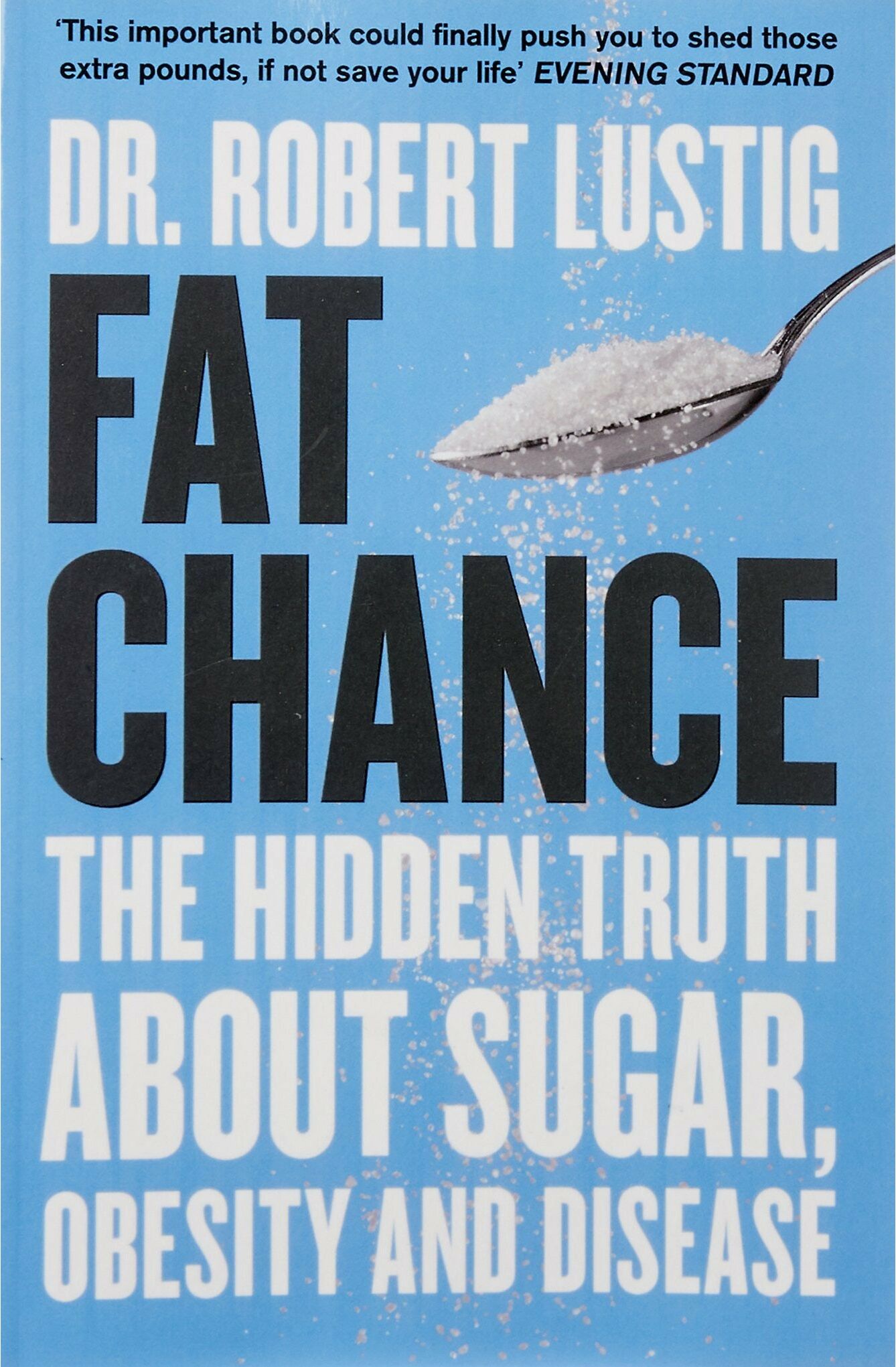

Similar search terms for Fourth-Estate-Fat-Chance
Top-Angebote
Products related to Fourth-Estate-Fat-Chance:
-
Fourth Estate Fat Chance & Eat to Beat 2 Book Set – Healthy Eating, Weight Loss & Lifestyle Cookbook CollectionFat Chance, The Hairy Biker Eat to Beat 2 Books Collection Set Fat Chance: The Hidden Truth About Sugar, Obesity and Disease Sugar is toxic, addictive and everywhere. So what chance do you have of living sugar-free? With busy lives and little time left for cooking we find ourselves relying on a diet of processed food. But this is what’s responsible for our chronically expanding waistlines, soaring levels of diabetes and a catalogue of diseases. Dr Robert Lustig reveals the truth about our sugar-laden food: Why conventional low-fat weight loss advice won’t work: not every calorie is the same, and skipping lunch doesn’t mean it’s ok to eat dessert Why too much sugar can cause serious illness even if you are not overweight How the food industry is filling our diets with hidden sugars – and which foods you must cut out to avoid them How governments are complacent about, and even complicit in, exacerbating our food debacle He will radically change the way you see your food and give you more than a fat chance of a healthier, happier and smarter life The Hairy Bikers Eat to Beat Type 2 Diabetes The bestselling, big-hearted and down-to-earth chefs, The Hairy Bikers, return with 80 of their very best Dieter recipes. Contains previously published recipes - brought together in a collection that's designed to help tackle type 2 diabetes for the first time. In this paperback, first of a new healthy eating series, the Hairy Bikers prove that you can still eat your favourite foods while staying healthy and losing weight. With their delicious, low-cal versions of traditional classics and family favourites, the Bikers take the deprivation out of restrictive diets and are here to help you shift the pounds. This book is full of information to digest and dieting hits to enjoy. The Bikers also share their own personal stories of their battles against type 2 diabetes, and hope to inspire readers as they start their own weight loss journey. Whether you've been struggling with type 2 diabetes for years or have recently been diagnosed, there's no better time to take action and make a change.8,49 £*Shipping: 2,99 £Secure redirect to the provider
-
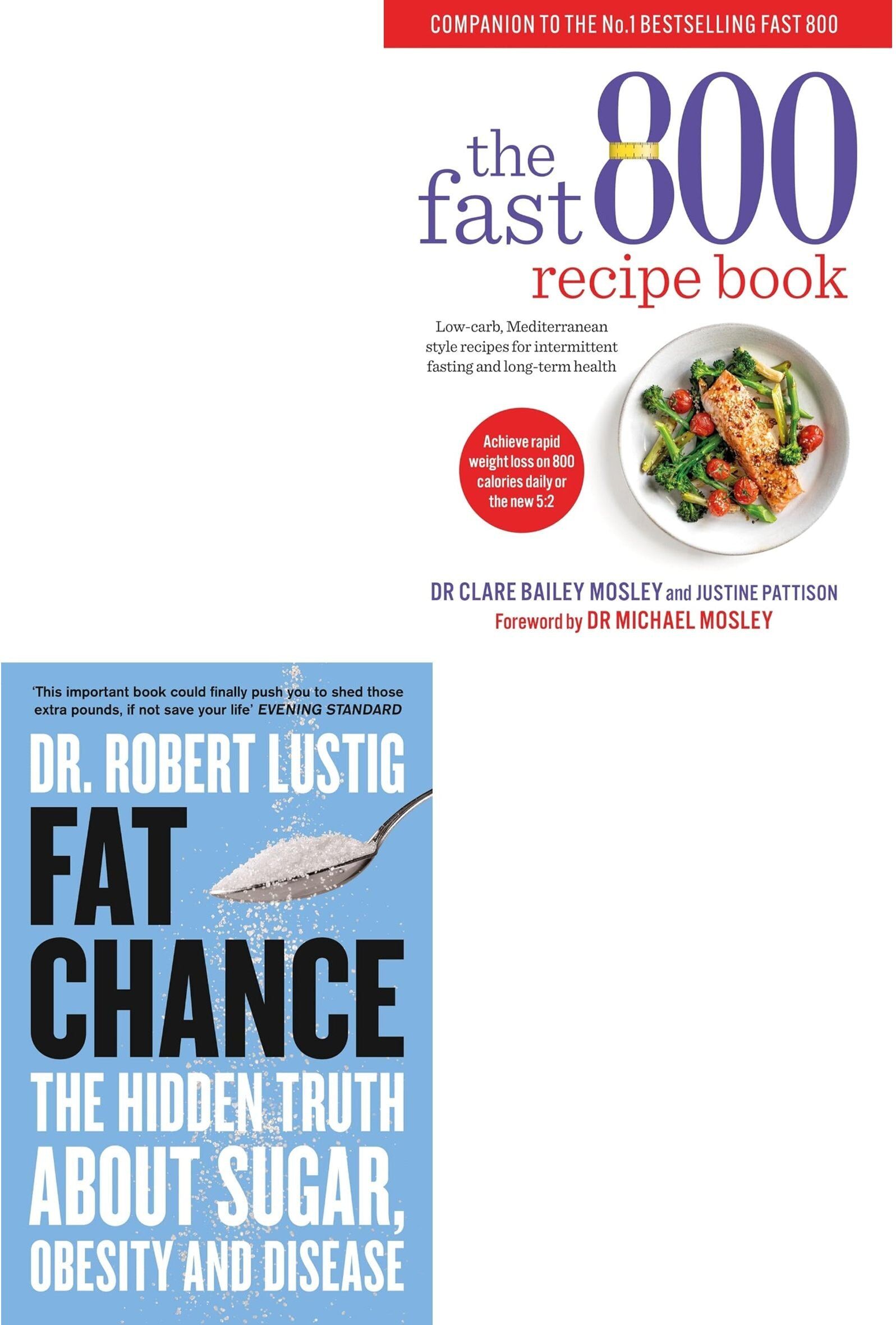
FOURTH ESTATE/SHORT BOOKS LTD Fat Chance by Dr Robert Lustig & The Fast 800 Recipe Book - 2 Books Collection SetFat Chance, The Fast 800 Recipe 2 Books Collection Set Fat Chance: The Hidden Truth About Sugar, Obesity and Disease Sugar is toxic, addictive and everywhere. So what chance do you have of living sugar-free? With busy lives and little time left for cooking we find ourselves relying on a diet of processed food. But this is what’s responsible for our chronically expanding waistlines, soaring levels of diabetes and a catalogue of diseases. Dr Robert Lustig reveals the truth about our sugar-laden food: Why conventional low-fat weight loss advice won’t work: not every calorie is the same, and skipping lunch doesn’t mean it’s ok to eat dessert Why too much sugar can cause serious illness even if you are not overweight How the food industry is filling our diets with hidden sugars – and which foods you must cut out to avoid them How governments are complacent about, and even complicit in, exacerbating our food debacle He will radically change the way you see your food and give you more than a fat chance of a healthier, happier and smarter life The Fast 800 Recipe Book: Low-carb, Mediterranean style recipes for intermittent fasting and long-term health Dr Clare Bailey, GP, and acclaimed food writer Justine Pattison have created meals which are tasty and easy to make, from breakfasts and brunches, soups and shakes to more substantial suppers and even occasional indulgent treats. All the recipes are based on the low-carb Mediterranean style of eating now proven to revolutionise your health. Whether you are embarking on an intensive weight-loss programme to prevent or reverse Type 2 diabetes, or simply want to bring down your blood pressure and cholesterol and improve your mood and general health, The Fast 800 Recipe Book will inspire you to change the way you eat for ever.9,99 £*Shipping: 2,99 £Secure redirect to the provider
-
Fourth Estate The Skills: How To Win At Work By Mishal Husain - Non FictionTitle:. The Skills: How to Win at Work Overview:. You want to move forward in your career. The Skills: How to Win at Work gives you the tools to make that happen.. Mishal Husain draws on decades behind the microphone and across boardrooms to share practical advice.. This is not another dry management textbook.. It is a sharp, actionable playbook for modern professionals.. Husain strips away corporate jargon and focuses on what actually matters.. She covers everything from speaking up in meetings to handling difficult conversations.. You will find clear strategies for building your reputation and managing your time efficiently.. The book tackles both visible successes and quiet setbacks along the way.. Readers gain confidence through real-world examples from journalism, politics, and business.. It addresses the quiet anxieties that hold many talented people back from asking for raises or leading bold projects.. It is designed to be read straight through or dipped into when you need a solution.. Whether you are just starting out or aiming for the next promotion, this guide meets you where you are. What Makes This Book Stand Out:. Most career guides focus heavily on strategy or big-picture thinking.. This book zeroes in on the day-to-day interactions that define your professional life.. Husain explains how to master the soft skills that often get overlooked.. She shows you how to turn awkward networking events into lasting connections.. You learn how to prepare for interviews without sounding rehearsed or artificial.. The writing style feels like advice from a trusted mentor who has seen it all.. Each chapter delivers bite-sized lessons you can apply immediately.. There are no vague platitudes here.. Instead, you get specific scripts and mental frameworks for tough situations.. The emphasis stays firmly on building genuine competence.. That grounded approach makes the advice stick long after you put the book down. Who This Book Is Perfect For:. This title suits anyone navigating a professional environment regularly.. Graduates entering the workforce will appreciate the early-start advantage.. Mid-career professionals looking to break through the plateau will find fresh tactics.. Team leaders who want to manage staff with clarity and respect will benefit greatly.. Freelancers transitioning to structured roles will pick up essential workplace rules quickly.. Anyone feeling stuck in their current job will discover actionable steps to regain momentum. Key Highlights:. Networking Mastery: Learn how to build authentic relationships that matter beyond a single casual meetup.. Steering Meetings: Discover techniques to present ideas clearly and drive discussions toward tangible results.. Handling Criticism: Turn blunt feedback into a straightforward map for improvement instead of taking it personally.. Building Resilience: Navigate unexpected failures with a calm mindset and a rapid recovery plan.. Managing Leaders: Understand how to align with senior...10,99 £*Shipping: 2,99 £Secure redirect to the provider
-
Fourth Estate The Creativity Code: How AI Is Learning to Write, Paint and Think - Non Fiction - PaperbackTitle:. The Creativity Code: How AI Is Learning to Write, Paint and Think Format: Paperback Overview:. Artificial intelligence is no longer a distant future—it is shaping the way we write, design, and imagine. The Creativity Code offers a lucid, immersive tour through the algorithms behind AI creativity, inviting readers to ask not just what machines can do, but what creativity really means in a world where computation engages with art and ideas. Marcus du Sautoy, a celebrated mathematician and science communicator, guides you with clarity through topics like neural networks, machine learning, and generative models. The book blends practical explanations with provocative questions, showing how AI can imitate styles, generate novel works, and partner with humans in creative processes. It examines poetry generated by algorithms, paintings born from code, and the ways AI tools can augment the work of artists, writers, and designers. Crucially, it treats AI creativity as a provocative conversation about originality, authorship, and human purpose, rather than a scare story about replaced human talent. Written for curious readers—from students and educators to tech enthusiasts and cultural thinkers—the book reframes creativity as a spectrum where human insight and machine computation meet to expand possibility. What Makes This Book Stand Out:. This book stands out for turning dense AI concepts into human-scale ideas without sacrificing intellectual rigor. Du Sautoy’s voice is confident, warm, and generously patient, guiding readers through tall technical tracts with relatable analogies and vivid examples. The result is not a dry survey but a lively exploration of how machines learn to notice patterns, how those patterns become expressive outputs, and what those outputs tell us about ourselves. The Creativity Code foregrounds real-world demonstrations—art that emerges from code, stories authored by algorithms, and design projects that push creative boundaries—so readers can see the technology in action, not merely read about it. The book also engages with ethical questions—ownership, attribution, and what counts as creativity—encouraging readers to form their own informed opinions about the evolving landscape of AI-assisted creation. It’s a thoughtful, bookmark-worthy read that works as both an accessible introduction and a springboard for deeper discussion. Who This Book Is Perfect For:. This is ideal for curious non-fiction readers who want to understand AI beyond headlines, students exploring technology and culture, and professionals in creative fields seeking new tools and perspectives. It’s a smart pick for teachers building cross-disciplinary lessons, librarians recommending accessible science writing, and gift buyers looking for a thought-provoking, conversation-starting title. If you enjoy exploring how technology intersects with art, philosophy, and society, you’ll appreciate the balanced, non-sensational approach. The Creativity Code is also...12,99 £*Shipping: 2,99 £Secure redirect to the provider


-
Why are the media called the fourth estate?
The media are called the fourth estate because they are seen as an influential and powerful force in society, similar to the three traditional estates of the realm (the clergy, the nobility, and the commoners). The media play a crucial role in shaping public opinion, holding the government and other powerful institutions accountable, and providing a platform for the public to express their views. This term highlights the media's significant role in the functioning of a democratic society and their ability to influence and shape public discourse. **
-
What is the fourth estate in the media?
The fourth estate in the media refers to the press, often seen as a separate and influential branch of government alongside the executive, legislative, and judicial branches. It is a term used to emphasize the important role that the media plays in holding the other branches of government accountable and informing the public. The fourth estate is considered essential for a functioning democracy, as it serves as a watchdog, providing information and analysis to the public and acting as a check on government power. **
-
What is the fourth estate in the mass media?
The fourth estate in the mass media refers to the press or news media as a collective institution that serves as a watchdog over the government and other powerful entities. It plays a crucial role in holding those in power accountable by providing information to the public and acting as a check on potential abuses of power. The term originated in reference to the three traditional estates of the realm (clergy, nobility, and commoners) in medieval Europe, with the press being recognized as a fourth pillar of democracy. **
-
How can someone give someone a fourth chance?
Giving someone a fourth chance involves a deep level of forgiveness and understanding. It requires the person to truly believe that the individual is capable of change and growth, and that they are committed to making amends for their past actions. It also involves setting clear boundaries and expectations for the future, and being willing to communicate openly and honestly about any issues that arise. Ultimately, giving someone a fourth chance requires a significant amount of trust and patience, as well as a willingness to move forward with a positive and hopeful mindset. **


Why are the media referred to as the fourth estate?
The media are referred to as the fourth estate because they play a crucial role in society similar to the three traditional estates of the realm (the clergy, the nobility, and the commoners). The media act as a watchdog, holding the government and powerful institutions accountable by providing information to the public. They serve as a check on the other branches of government, ensuring transparency and promoting democracy. The term highlights the media's significant influence and power in shaping public opinion and influencing political discourse. **
Is the media to be considered as the fourth estate?
Yes, the media is often considered the fourth estate because it plays a crucial role in holding the government and other powerful institutions accountable. Just as the three branches of government (executive, legislative, and judicial) serve as checks and balances on each other, the media serves as a check on the government by providing information, analysis, and criticism. The media also serves as a voice for the public, bringing attention to important issues and giving a platform to diverse perspectives. In this way, the media acts as a fourth pillar of democracy, alongside the three branches of government. **
Top-Angebote
Products related to Fourth-Estate-Fat-Chance:
-
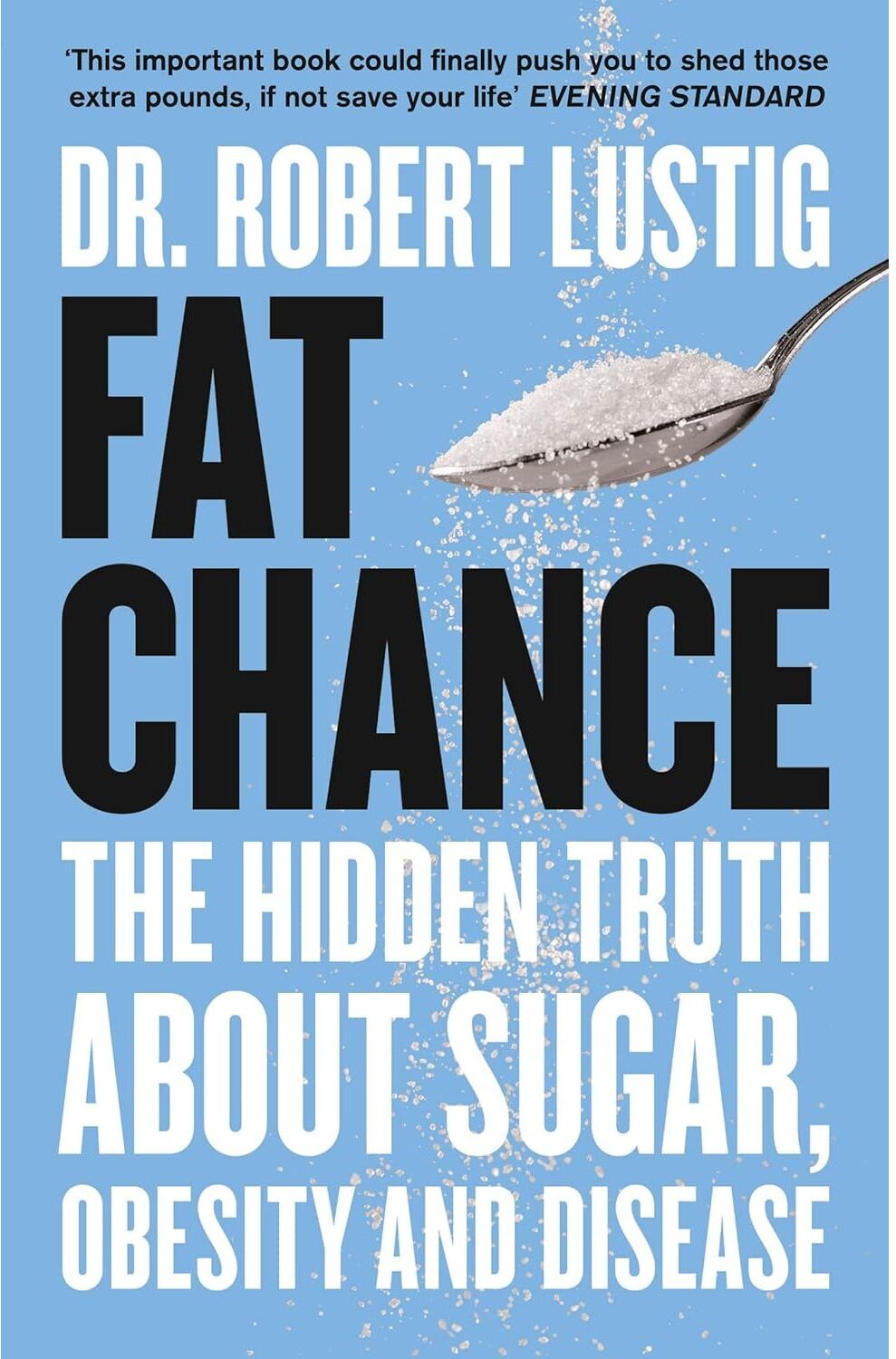
Fourth Estate Fat Chance: The Hidden Truth About Sugar, Obesity and Disease by Dr. Robert LustigSugar is toxic, addictive and everywhere. So what chance do you have of living sugar-free? With busy lives and little time left for cooking we find ourselves relying on a diet of processed food. But this is what’s responsible for our chronically expanding waistlines, soaring levels of diabetes and a catalogue of diseases. Dr Robert Lustig reveals the truth about our sugar-laden food: Why conventional low-fat weight loss advice won’t work: not every calorie is the same, and skipping lunch doesn’t mean it’s ok to eat dessert Why too much sugar can cause serious illness even if you are not overweight How the food industry is filling our diets with hidden sugars – and which foods you must cut out to avoid them How governments are complacent about, and even complicit in, exacerbating our food debacle He will radically change the way you see your food and give you more than a fat chance of a healthier, happier and smarter life!1,99 £*Shipping: 1,99 £Secure redirect to the provider
-
Fourth Estate Fat Chance, Why We Eat Too Much Science of Appetite 2 Books Collection SetFat Chance, Why We Eat Too Much Science of Appetite 2 Books Collection Set Fat Chance: The Hidden Truth About Sugar, Obesity and Disease Sugar is toxic, addictive and everywhere. So what chance do you have of living sugar-free? With busy lives and little time left for cooking we find ourselves relying on a diet of processed food. But this is what’s responsible for our chronically expanding waistlines, soaring levels of diabetes and a catalogue of diseases. Dr Robert Lustig reveals the truth about our sugar-laden food: Why conventional low-fat weight loss advice won’t work: not every calorie is the same, and skipping lunch doesn’t mean it’s ok to eat dessert Why too much sugar can cause serious illness even if you are not overweight How the food industry is filling our diets with hidden sugars – and which foods you must cut out to avoid them How governments are complacent about, and even complicit in, exacerbating our food debacle He will radically change the way you see your food and give you more than a fat chance of a healthier, happier and smarter life Why We Eat (Too Much): The New Science of Appetite by Dr Andrew Jenkinson We've all heard the golden rule: eat less, exercise more and you'll lose weight. But what if it isn't that simple? For over two decades, weight loss surgeon Dr Andrew Jenkinson has treated thousands of people who have become trapped in the endless cycle of dieting. Why We Eat (Too Much), combines case studies from his practice and the new science of metabolism to illuminate how our appetite really works. Debunking myths of about body and systematically explaining why dieting is counter-productive, this unflinching book investigates every aspect of nutrition: from the 'set weight point' that is unique to all of us, to good and bad fats, and from how genes impact our weight to how our hormones are affected after a diet ends. With a new chapter about the link between obesity and COVID-19, this incredible book will help you understand your body better than ever before.9,95 £*Shipping: 2,99 £Secure redirect to the provider
-
Fourth Estate Fat Chance & Eat to Beat 2 Book Set – Healthy Eating, Weight Loss & Lifestyle Cookbook CollectionFat Chance, The Hairy Biker Eat to Beat 2 Books Collection Set Fat Chance: The Hidden Truth About Sugar, Obesity and Disease Sugar is toxic, addictive and everywhere. So what chance do you have of living sugar-free? With busy lives and little time left for cooking we find ourselves relying on a diet of processed food. But this is what’s responsible for our chronically expanding waistlines, soaring levels of diabetes and a catalogue of diseases. Dr Robert Lustig reveals the truth about our sugar-laden food: Why conventional low-fat weight loss advice won’t work: not every calorie is the same, and skipping lunch doesn’t mean it’s ok to eat dessert Why too much sugar can cause serious illness even if you are not overweight How the food industry is filling our diets with hidden sugars – and which foods you must cut out to avoid them How governments are complacent about, and even complicit in, exacerbating our food debacle He will radically change the way you see your food and give you more than a fat chance of a healthier, happier and smarter life The Hairy Bikers Eat to Beat Type 2 Diabetes The bestselling, big-hearted and down-to-earth chefs, The Hairy Bikers, return with 80 of their very best Dieter recipes. Contains previously published recipes - brought together in a collection that's designed to help tackle type 2 diabetes for the first time. In this paperback, first of a new healthy eating series, the Hairy Bikers prove that you can still eat your favourite foods while staying healthy and losing weight. With their delicious, low-cal versions of traditional classics and family favourites, the Bikers take the deprivation out of restrictive diets and are here to help you shift the pounds. This book is full of information to digest and dieting hits to enjoy. The Bikers also share their own personal stories of their battles against type 2 diabetes, and hope to inspire readers as they start their own weight loss journey. Whether you've been struggling with type 2 diabetes for years or have recently been diagnosed, there's no better time to take action and make a change.8,49 £*Shipping: 2,99 £Secure redirect to the provider
-
FOURTH ESTATE/SHORT BOOKS LTD Fat Chance by Dr Robert Lustig & The Fast 800 Recipe Book - 2 Books Collection SetFat Chance, The Fast 800 Recipe 2 Books Collection Set Fat Chance: The Hidden Truth About Sugar, Obesity and Disease Sugar is toxic, addictive and everywhere. So what chance do you have of living sugar-free? With busy lives and little time left for cooking we find ourselves relying on a diet of processed food. But this is what’s responsible for our chronically expanding waistlines, soaring levels of diabetes and a catalogue of diseases. Dr Robert Lustig reveals the truth about our sugar-laden food: Why conventional low-fat weight loss advice won’t work: not every calorie is the same, and skipping lunch doesn’t mean it’s ok to eat dessert Why too much sugar can cause serious illness even if you are not overweight How the food industry is filling our diets with hidden sugars – and which foods you must cut out to avoid them How governments are complacent about, and even complicit in, exacerbating our food debacle He will radically change the way you see your food and give you more than a fat chance of a healthier, happier and smarter life The Fast 800 Recipe Book: Low-carb, Mediterranean style recipes for intermittent fasting and long-term health Dr Clare Bailey, GP, and acclaimed food writer Justine Pattison have created meals which are tasty and easy to make, from breakfasts and brunches, soups and shakes to more substantial suppers and even occasional indulgent treats. All the recipes are based on the low-carb Mediterranean style of eating now proven to revolutionise your health. Whether you are embarking on an intensive weight-loss programme to prevent or reverse Type 2 diabetes, or simply want to bring down your blood pressure and cholesterol and improve your mood and general health, The Fast 800 Recipe Book will inspire you to change the way you eat for ever.9,99 £*Shipping: 2,99 £Secure redirect to the provider
-
Are the media considered the fourth estate?
Yes, the media is often considered the fourth estate because it plays a crucial role in holding the government and other powerful institutions accountable. The term "fourth estate" originated in reference to the press as a separate and influential pillar of society alongside the three traditional estates of the clergy, nobility, and commoners. The media serves as a watchdog, providing information to the public, uncovering corruption, and acting as a check on government power. In modern times, the media's role as the fourth estate has evolved to include not just traditional journalism but also digital media and social platforms. **
-
Are the media still the fourth estate?
Yes, the media are still considered the fourth estate in modern society. They play a crucial role in holding the government and other powerful institutions accountable by providing information, analysis, and investigative reporting. However, the rise of social media and the proliferation of online news sources have changed the media landscape, leading to new challenges and opportunities for the fourth estate to fulfill its role in society. Despite these changes, the media continue to serve as a vital check on power and a key source of information for the public. **
-
Why are the media called the fourth estate?
The media are called the fourth estate because they are seen as an influential and powerful force in society, similar to the three traditional estates of the realm (the clergy, the nobility, and the commoners). The media play a crucial role in shaping public opinion, holding the government and other powerful institutions accountable, and providing a platform for the public to express their views. This term highlights the media's significant role in the functioning of a democratic society and their ability to influence and shape public discourse. **
-
What is the fourth estate in the media?
The fourth estate in the media refers to the press, often seen as a separate and influential branch of government alongside the executive, legislative, and judicial branches. It is a term used to emphasize the important role that the media plays in holding the other branches of government accountable and informing the public. The fourth estate is considered essential for a functioning democracy, as it serves as a watchdog, providing information and analysis to the public and acting as a check on government power. **
Similar search terms for Fourth-Estate-Fat-Chance
-
Fourth Estate The Skills: How To Win At Work By Mishal Husain - Non FictionTitle:. The Skills: How to Win at Work Overview:. You want to move forward in your career. The Skills: How to Win at Work gives you the tools to make that happen.. Mishal Husain draws on decades behind the microphone and across boardrooms to share practical advice.. This is not another dry management textbook.. It is a sharp, actionable playbook for modern professionals.. Husain strips away corporate jargon and focuses on what actually matters.. She covers everything from speaking up in meetings to handling difficult conversations.. You will find clear strategies for building your reputation and managing your time efficiently.. The book tackles both visible successes and quiet setbacks along the way.. Readers gain confidence through real-world examples from journalism, politics, and business.. It addresses the quiet anxieties that hold many talented people back from asking for raises or leading bold projects.. It is designed to be read straight through or dipped into when you need a solution.. Whether you are just starting out or aiming for the next promotion, this guide meets you where you are. What Makes This Book Stand Out:. Most career guides focus heavily on strategy or big-picture thinking.. This book zeroes in on the day-to-day interactions that define your professional life.. Husain explains how to master the soft skills that often get overlooked.. She shows you how to turn awkward networking events into lasting connections.. You learn how to prepare for interviews without sounding rehearsed or artificial.. The writing style feels like advice from a trusted mentor who has seen it all.. Each chapter delivers bite-sized lessons you can apply immediately.. There are no vague platitudes here.. Instead, you get specific scripts and mental frameworks for tough situations.. The emphasis stays firmly on building genuine competence.. That grounded approach makes the advice stick long after you put the book down. Who This Book Is Perfect For:. This title suits anyone navigating a professional environment regularly.. Graduates entering the workforce will appreciate the early-start advantage.. Mid-career professionals looking to break through the plateau will find fresh tactics.. Team leaders who want to manage staff with clarity and respect will benefit greatly.. Freelancers transitioning to structured roles will pick up essential workplace rules quickly.. Anyone feeling stuck in their current job will discover actionable steps to regain momentum. Key Highlights:. Networking Mastery: Learn how to build authentic relationships that matter beyond a single casual meetup.. Steering Meetings: Discover techniques to present ideas clearly and drive discussions toward tangible results.. Handling Criticism: Turn blunt feedback into a straightforward map for improvement instead of taking it personally.. Building Resilience: Navigate unexpected failures with a calm mindset and a rapid recovery plan.. Managing Leaders: Understand how to align with senior...10,99 £*Shipping: 2,99 £Secure redirect to the provider
-
Fourth Estate The Creativity Code: How AI Is Learning to Write, Paint and Think - Non Fiction - PaperbackTitle:. The Creativity Code: How AI Is Learning to Write, Paint and Think Format: Paperback Overview:. Artificial intelligence is no longer a distant future—it is shaping the way we write, design, and imagine. The Creativity Code offers a lucid, immersive tour through the algorithms behind AI creativity, inviting readers to ask not just what machines can do, but what creativity really means in a world where computation engages with art and ideas. Marcus du Sautoy, a celebrated mathematician and science communicator, guides you with clarity through topics like neural networks, machine learning, and generative models. The book blends practical explanations with provocative questions, showing how AI can imitate styles, generate novel works, and partner with humans in creative processes. It examines poetry generated by algorithms, paintings born from code, and the ways AI tools can augment the work of artists, writers, and designers. Crucially, it treats AI creativity as a provocative conversation about originality, authorship, and human purpose, rather than a scare story about replaced human talent. Written for curious readers—from students and educators to tech enthusiasts and cultural thinkers—the book reframes creativity as a spectrum where human insight and machine computation meet to expand possibility. What Makes This Book Stand Out:. This book stands out for turning dense AI concepts into human-scale ideas without sacrificing intellectual rigor. Du Sautoy’s voice is confident, warm, and generously patient, guiding readers through tall technical tracts with relatable analogies and vivid examples. The result is not a dry survey but a lively exploration of how machines learn to notice patterns, how those patterns become expressive outputs, and what those outputs tell us about ourselves. The Creativity Code foregrounds real-world demonstrations—art that emerges from code, stories authored by algorithms, and design projects that push creative boundaries—so readers can see the technology in action, not merely read about it. The book also engages with ethical questions—ownership, attribution, and what counts as creativity—encouraging readers to form their own informed opinions about the evolving landscape of AI-assisted creation. It’s a thoughtful, bookmark-worthy read that works as both an accessible introduction and a springboard for deeper discussion. Who This Book Is Perfect For:. This is ideal for curious non-fiction readers who want to understand AI beyond headlines, students exploring technology and culture, and professionals in creative fields seeking new tools and perspectives. It’s a smart pick for teachers building cross-disciplinary lessons, librarians recommending accessible science writing, and gift buyers looking for a thought-provoking, conversation-starting title. If you enjoy exploring how technology intersects with art, philosophy, and society, you’ll appreciate the balanced, non-sensational approach. The Creativity Code is also...12,99 £*Shipping: 2,99 £Secure redirect to the provider
-
What is the fourth estate in the mass media?
The fourth estate in the mass media refers to the press or news media as a collective institution that serves as a watchdog over the government and other powerful entities. It plays a crucial role in holding those in power accountable by providing information to the public and acting as a check on potential abuses of power. The term originated in reference to the three traditional estates of the realm (clergy, nobility, and commoners) in medieval Europe, with the press being recognized as a fourth pillar of democracy. **
-
How can someone give someone a fourth chance?
Giving someone a fourth chance involves a deep level of forgiveness and understanding. It requires the person to truly believe that the individual is capable of change and growth, and that they are committed to making amends for their past actions. It also involves setting clear boundaries and expectations for the future, and being willing to communicate openly and honestly about any issues that arise. Ultimately, giving someone a fourth chance requires a significant amount of trust and patience, as well as a willingness to move forward with a positive and hopeful mindset. **
-
Why are the media referred to as the fourth estate?
The media are referred to as the fourth estate because they play a crucial role in society similar to the three traditional estates of the realm (the clergy, the nobility, and the commoners). The media act as a watchdog, holding the government and powerful institutions accountable by providing information to the public. They serve as a check on the other branches of government, ensuring transparency and promoting democracy. The term highlights the media's significant influence and power in shaping public opinion and influencing political discourse. **
-
Is the media to be considered as the fourth estate?
Yes, the media is often considered the fourth estate because it plays a crucial role in holding the government and other powerful institutions accountable. Just as the three branches of government (executive, legislative, and judicial) serve as checks and balances on each other, the media serves as a check on the government by providing information, analysis, and criticism. The media also serves as a voice for the public, bringing attention to important issues and giving a platform to diverse perspectives. In this way, the media acts as a fourth pillar of democracy, alongside the three branches of government. **
* All prices are inclusive of VAT and, if applicable, plus shipping costs. The offer information is based on the details provided by the respective shop and is updated through automated processes. Real-time updates do not occur, so deviations can occur in individual cases. ** Note: Parts of this content were created by AI.