Buy work-shop.eu ?
We are moving the project
work-shop.eu .
Are you interested in purchasing the domain
work-shop.eu ?
domain@kv-gmbh.de · 0541-91531010
Buy work-shop.eu ?
'Without creativity, there is no science.'
Creativity is essential in science because it drives innovation, problem-solving, and the generation of new ideas. Without creativity, scientists would not be able to think outside the box, develop new hypotheses, or design groundbreaking experiments. Creativity is what allows scientists to push the boundaries of knowledge and make new discoveries. In essence, creativity is the driving force behind scientific progress. **
To which science does craftsmanship belong?
Craftsmanship belongs to the field of applied science, specifically within the realm of engineering and technology. It involves the practical application of scientific principles and knowledge to create or build objects by hand. Craftsmanship requires a deep understanding of materials, tools, and techniques, making it a valuable skill that bridges the gap between theory and practice in various scientific disciplines. **


Similar search terms for The-Science-of-Food
Top-Angebote
Products related to The-Science-of-Food:
-
Fourth Estate The Age Code: The New Science of Food and How It Can Save UsTitle:. The Age Code: The New Science of Food and How It Can Save Us Overview:. What if the foods you reach for today could slow the clock on your own biology tomorrow? The Age Code by David Cox is a 336-page deep dive into how diet shapes ageing, written by a trusted health journalist who translates cutting-edge science into practical, everyday decisions. Cox argues that ageing isn’t a fixed destiny but a dynamic balance between cellular damage and repair — and that our daily meals can tilt that balance in our favour. He explains how components such as excess calories, sugar, gut inflammation, and ultra-processed foods contribute to the biological clock ticking faster, while nutrient-dense foods, mindful eating, and targeted micronutrients help slow the process. This is not a buzzword diet; it’s a rigorous, readable roadmap grounded in recent breakthroughs that allow us to measure organ health and individual ageing patterns. Expect a compelling blend of science, realism, and optimism, framed for readers who want tangible steps rather than promises. Whether you’re new to longevity science or a wellness enthusiast, this book offers a clear, actionable plan to eat smarter, live longer, and reclaim vitality. What Makes This Book Stand Out:. The Age Code stands out by bridging frontier nutrition science with practical living. David Cox, a seasoned health journalist, distils complex research into accessible explanations without compromising accuracy. The book emphasizes that ageing is modifiable through everyday choices, not simply inevitable fate. It foregrounds measurable concepts—how certain foods influence cellular repair, inflammation, and metabolic ageing—while inviting readers to view food as medicine rather than a punitive regime. The narrative is punctuated with real-world examples, thoughtful commentary from peers in medicine and nutrition, and a steady pull toward empowerment rather than extremism. With its calm, informed voice, the book delivers credible guidance on balancing macronutrients, prioritising micronutrients, and reducing the impact of ultra-processed foods on longevity. Above all, it offers a hopeful framework: small, consistent dietary shifts can yield meaningful improvements in healthspan. Who This Book Is Perfect For:. Ideal for health-conscious adults curious about longevity, balanced nutrition, and evidence-based diet advice. It speaks to readers seeking concrete steps they can incorporate into daily life—whether you’re preparing meals for a busy household, guiding a family toward healthier choices, or pursuing a science-informed approach to personal wellness. It will also appeal to readers who enjoy credible health writing from recognised voices in journalism, and to gift buyers looking for a smart, transformative non-fiction title for birthdays or special occasions. If you’ve ever wondered how much food actually affects ageing, this book is for you. Key Highlights:. Translational science: how the latest nutrition...22,00 £*Shipping: 2,99 £Secure redirect to the provider
-
Ivy Press Running Science - Revealing The Science Of Peak Performance - Non FictionTitle:. Running Science: Revealing the Science of Peak Performance Overview:. Understanding how to run faster, longer, and without recurring niggles has always separated motivated athletes from true performers. This comprehensive guide distils complex exercise physiology, biomechanical analysis, and contemporary training methodology into a single, highly usable resource. Whether you are targeting a personal best in the half marathon, preparing for ultra-distance challenges, or simply trying to maximise your cardiovascular potential, the principles inside offer a clear roadmap. The text systematically breaks down the human locomotor system, explaining how muscle fibre recruitment, gait kinetics, and metabolic conditioning interact to produce efficient forward propulsion. Readers are guided through evidence-based periodisation models, strategic mileage accumulation, and targeted strength protocols designed to prevent tissue overload. Beyond the physiological mechanics, the volume explores nutritional timing, glycogen management, and circadian-aligned recovery techniques that accelerate adaptation. By moving beyond anecdotal advice and outdated training dogma, the book delivers a structured framework that helps athletes interpret their own physical feedback, adjust workload intelligently, and implement progressive overload without risking systemic fatigue or long-term wear. What Makes This Book Stand Out:. Most running manuals rely heavily on veteran intuition or fragmented study notes, leaving ambitious road and trail runners to piece together conflicting advice. This title operates differently by anchoring every recommendation directly to peer-reviewed sports science research. You will find clear distinctions between aerobic base development and threshold conditioning, alongside precise guidance on how to manipulate intensity zones for optimal mitochondrial density and stroke volume improvement. The narrative actively dismantles persistent myths about rigid cadence mandates, premature barefoot transitions, and aggressive static stretching routines that often cause more harm than benefit. Instead, it introduces dynamic movement assessments, functional mobility screening, and load management protocols that adapt to individual skeletal structures. Each chapter connects theoretical data to track sessions, race simulations, and everyday training environments. The result is a practical operating manual that transforms abstract numbers into actionable adjustments, allowing runners to optimise their stride mechanics, fine-tune pacing strategies, and build sustainable endurance capacity without relying on guesswork. Who This Book Is Perfect For:. This publication is expressly tailored for dedicated distance runners who want to understand the mechanical and biological drivers behind their performances. Recreational marathoners completing their first major events, competitive club athletes chasing podium placements, and experienced trail participants...20,00 £*Shipping: 2,99 £Secure redirect to the provider
-
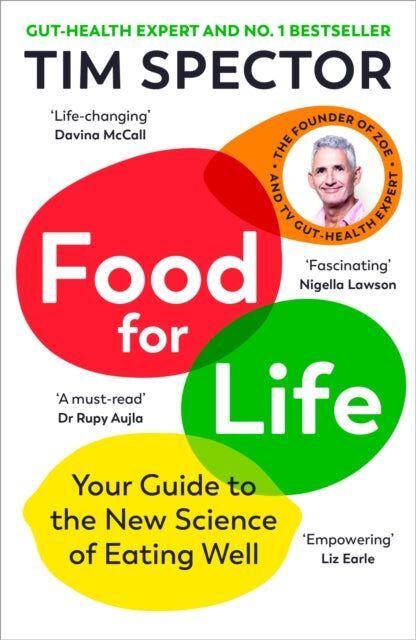
Jonathan Cape Food for Life by Tim Spector The New Science of Eating Well, by the #1 bestselling author of SPOON-FED**AS HEARD ON BBC RADIO FOUR** Food is our greatest ally for good health, but the question of what to eat has never seemed so complicated. Bestselling author and top 100 most-cited scientist Tim Spector has the answers in this definitive, easy-to-follow guide to the new science of eating well. Tim Spector has pioneered a new approach to nutrition, encouraging us to forget misleading calorie counts and nutritional breakdowns. In Food for Life he draws on over a decade of cutting-edge scientific research, along with his own personal insights, to deliver a new and comprehensive approach to what we should all know about food today. Investigating everything from environmental impact and food fraud to allergies and deceptive labelling, Spector also shows us the many wondrous and surprising properties of everyday foods, which scientists are only just beginning to understand. Empowering and practical, Food for Life is nothing less than a new approach to how to eat - for our health and the health of the planet. ** A THE TIMES and SUNDAY TIMES BOOK OF THE YEAR** 'A rigorously academic book that welcomes the layperson with open arms.' The Times9,94 £*Shipping: 2,99 £Secure redirect to the provider



-
"Apply despite lack of craftsmanship skills?"
Yes, it is possible to apply for a job or opportunity even if you lack craftsmanship skills. Many employers are willing to provide training and on-the-job experience to individuals who show potential and a willingness to learn. Highlighting any related skills, such as attention to detail, problem-solving abilities, or a strong work ethic, can also help demonstrate your potential for success in a craftsmanship role. Additionally, taking the initiative to learn and improve your skills independently can show your dedication and commitment to the craft. **
-
How does science work?
Science works by using systematic methods to observe, experiment, and analyze data in order to understand the natural world. Scientists formulate hypotheses, conduct experiments to test these hypotheses, and then draw conclusions based on the results. Through this process of trial and error, new knowledge is gained and existing theories are refined. Peer review and replication of experiments are important aspects of the scientific process to ensure the validity and reliability of the findings. **
-
Why don't climate activists work in the field of science?
Climate activists may not work in the field of science because they are more focused on advocating for policy changes and raising awareness about the urgency of addressing climate change. While science is crucial for understanding the complexities of climate change, activists may feel that their efforts are better spent on mobilizing public support and pressuring governments and corporations to take action. Additionally, some activists may not have the scientific background or expertise to work in the field of science, but they can still contribute to the movement through advocacy, organizing, and public outreach. **
-
What are the limits of science?
Science has its limitations in that it cannot provide answers to questions that fall outside the realm of empirical observation and experimentation. It also cannot address questions related to morality, ethics, or subjective experiences. Additionally, science is limited by the current state of technology and knowledge, meaning that some phenomena may be beyond our current understanding. Despite these limitations, science remains a powerful tool for understanding the natural world and advancing human knowledge. **


What are the goals of science?
The goals of science are to understand the natural world, explain phenomena through evidence-based research, make predictions about future outcomes, and improve our quality of life through technological advancements. Science seeks to uncover the underlying principles that govern the universe and provide a deeper understanding of our surroundings. By following the scientific method, researchers aim to generate knowledge that is reliable, reproducible, and can be used to solve real-world problems. Ultimately, the goal of science is to expand our knowledge and contribute to the betterment of society. **
What is the opposite of science?
The opposite of science is often considered to be superstition or pseudoscience. Superstition relies on irrational beliefs and practices that are not based on evidence or scientific reasoning. Pseudoscience refers to claims, beliefs, or practices that are presented as scientific but lack empirical evidence, are not testable, or are not supported by the scientific community. Both superstition and pseudoscience are characterized by a lack of critical thinking, skepticism, and adherence to evidence-based reasoning, which are fundamental principles of science. **
Top-Angebote
Products related to The-Science-of-Food:
-
The Science of Food: The Science of Cooking & The Science of Nutrition 2 Books Collection Set by Farrimond & Lambert - DK Hardback - Evidence-Based Kitchen & Nutrition GuideThis two-book set from DK's Science of Food series removes the guesswork from eating well. The Science of Cooking, by food scientist Dr. Stuart Farrimond, explains the chemistry behind kitchen techniques, while The Science of Nutrition, by nutritionist Rhiannon Lambert, unpacks what happens inside your body when you eat. Together they form a practical, evidence-based reference for cooking confidently and eating with understanding, free from fad diet claims. The Science of Cooking answers the questions home cooks ask most: why does meat turn tough, how do you get a perfect sear, why do eggs curdle, and how does heat change the structure of vegetables, grains, and dairy? Dr. Farrimond organizes the book by ingredient and technique. Titles in This Set: The Science of Cooking The Science of Nutrition Condition: New Format: Hardback23,99 £*Shipping: 2,99 £Secure redirect to the provider
-
Food for Life: The New Science of Eating Well by Tim SpectorDescription. Title In This Set:. Food for Life: The New Science of Eating Well by Tim Spector. Condition : BRAND NEW. Format : Paperback. ISBN : 9781529919660. Food is our greatest ally for good health, but the question of what to eat in the age of ultra-processed food has never seemed so complicated.. Drawing on cutting-edge research and personal insights, Professor Tim Spector offers clear answers in this definitive, easy-to-follow guide to the new science of eating well.. Empowering and practical, Food for Life is nothing less than a new approach to how to eat - for our health and the health of the planet.. About the Author:. Timothy David Spector OBE FMedSci (born 1958) is a British epidemiologist, medical doctor, and science writer, working on the relationship between nutrition, the gut microbiome, and health. He argues against low-fat diets and fad diets,[2][3] and instead advocates for a Mediterranean-style diet that is heavily plant-based, high in fibre, limits ultra-processed foods, and includes a diversity of plants.. Title. Food for Life: The New Science of Eating Well by Tim Spector. Delivery. Content. Reviews10,99 £*Shipping: 2,99 £Secure redirect to the provider
-
Fourth Estate The Age Code: The New Science of Food and How It Can Save UsTitle:. The Age Code: The New Science of Food and How It Can Save Us Overview:. What if the foods you reach for today could slow the clock on your own biology tomorrow? The Age Code by David Cox is a 336-page deep dive into how diet shapes ageing, written by a trusted health journalist who translates cutting-edge science into practical, everyday decisions. Cox argues that ageing isn’t a fixed destiny but a dynamic balance between cellular damage and repair — and that our daily meals can tilt that balance in our favour. He explains how components such as excess calories, sugar, gut inflammation, and ultra-processed foods contribute to the biological clock ticking faster, while nutrient-dense foods, mindful eating, and targeted micronutrients help slow the process. This is not a buzzword diet; it’s a rigorous, readable roadmap grounded in recent breakthroughs that allow us to measure organ health and individual ageing patterns. Expect a compelling blend of science, realism, and optimism, framed for readers who want tangible steps rather than promises. Whether you’re new to longevity science or a wellness enthusiast, this book offers a clear, actionable plan to eat smarter, live longer, and reclaim vitality. What Makes This Book Stand Out:. The Age Code stands out by bridging frontier nutrition science with practical living. David Cox, a seasoned health journalist, distils complex research into accessible explanations without compromising accuracy. The book emphasizes that ageing is modifiable through everyday choices, not simply inevitable fate. It foregrounds measurable concepts—how certain foods influence cellular repair, inflammation, and metabolic ageing—while inviting readers to view food as medicine rather than a punitive regime. The narrative is punctuated with real-world examples, thoughtful commentary from peers in medicine and nutrition, and a steady pull toward empowerment rather than extremism. With its calm, informed voice, the book delivers credible guidance on balancing macronutrients, prioritising micronutrients, and reducing the impact of ultra-processed foods on longevity. Above all, it offers a hopeful framework: small, consistent dietary shifts can yield meaningful improvements in healthspan. Who This Book Is Perfect For:. Ideal for health-conscious adults curious about longevity, balanced nutrition, and evidence-based diet advice. It speaks to readers seeking concrete steps they can incorporate into daily life—whether you’re preparing meals for a busy household, guiding a family toward healthier choices, or pursuing a science-informed approach to personal wellness. It will also appeal to readers who enjoy credible health writing from recognised voices in journalism, and to gift buyers looking for a smart, transformative non-fiction title for birthdays or special occasions. If you’ve ever wondered how much food actually affects ageing, this book is for you. Key Highlights:. Translational science: how the latest nutrition...22,00 £*Shipping: 2,99 £Secure redirect to the provider
-
Ivy Press Running Science - Revealing The Science Of Peak Performance - Non FictionTitle:. Running Science: Revealing the Science of Peak Performance Overview:. Understanding how to run faster, longer, and without recurring niggles has always separated motivated athletes from true performers. This comprehensive guide distils complex exercise physiology, biomechanical analysis, and contemporary training methodology into a single, highly usable resource. Whether you are targeting a personal best in the half marathon, preparing for ultra-distance challenges, or simply trying to maximise your cardiovascular potential, the principles inside offer a clear roadmap. The text systematically breaks down the human locomotor system, explaining how muscle fibre recruitment, gait kinetics, and metabolic conditioning interact to produce efficient forward propulsion. Readers are guided through evidence-based periodisation models, strategic mileage accumulation, and targeted strength protocols designed to prevent tissue overload. Beyond the physiological mechanics, the volume explores nutritional timing, glycogen management, and circadian-aligned recovery techniques that accelerate adaptation. By moving beyond anecdotal advice and outdated training dogma, the book delivers a structured framework that helps athletes interpret their own physical feedback, adjust workload intelligently, and implement progressive overload without risking systemic fatigue or long-term wear. What Makes This Book Stand Out:. Most running manuals rely heavily on veteran intuition or fragmented study notes, leaving ambitious road and trail runners to piece together conflicting advice. This title operates differently by anchoring every recommendation directly to peer-reviewed sports science research. You will find clear distinctions between aerobic base development and threshold conditioning, alongside precise guidance on how to manipulate intensity zones for optimal mitochondrial density and stroke volume improvement. The narrative actively dismantles persistent myths about rigid cadence mandates, premature barefoot transitions, and aggressive static stretching routines that often cause more harm than benefit. Instead, it introduces dynamic movement assessments, functional mobility screening, and load management protocols that adapt to individual skeletal structures. Each chapter connects theoretical data to track sessions, race simulations, and everyday training environments. The result is a practical operating manual that transforms abstract numbers into actionable adjustments, allowing runners to optimise their stride mechanics, fine-tune pacing strategies, and build sustainable endurance capacity without relying on guesswork. Who This Book Is Perfect For:. This publication is expressly tailored for dedicated distance runners who want to understand the mechanical and biological drivers behind their performances. Recreational marathoners completing their first major events, competitive club athletes chasing podium placements, and experienced trail participants...20,00 £*Shipping: 2,99 £Secure redirect to the provider
-
'Without creativity, there is no science.'
Creativity is essential in science because it drives innovation, problem-solving, and the generation of new ideas. Without creativity, scientists would not be able to think outside the box, develop new hypotheses, or design groundbreaking experiments. Creativity is what allows scientists to push the boundaries of knowledge and make new discoveries. In essence, creativity is the driving force behind scientific progress. **
-
To which science does craftsmanship belong?
Craftsmanship belongs to the field of applied science, specifically within the realm of engineering and technology. It involves the practical application of scientific principles and knowledge to create or build objects by hand. Craftsmanship requires a deep understanding of materials, tools, and techniques, making it a valuable skill that bridges the gap between theory and practice in various scientific disciplines. **
-
"Apply despite lack of craftsmanship skills?"
Yes, it is possible to apply for a job or opportunity even if you lack craftsmanship skills. Many employers are willing to provide training and on-the-job experience to individuals who show potential and a willingness to learn. Highlighting any related skills, such as attention to detail, problem-solving abilities, or a strong work ethic, can also help demonstrate your potential for success in a craftsmanship role. Additionally, taking the initiative to learn and improve your skills independently can show your dedication and commitment to the craft. **
-
How does science work?
Science works by using systematic methods to observe, experiment, and analyze data in order to understand the natural world. Scientists formulate hypotheses, conduct experiments to test these hypotheses, and then draw conclusions based on the results. Through this process of trial and error, new knowledge is gained and existing theories are refined. Peer review and replication of experiments are important aspects of the scientific process to ensure the validity and reliability of the findings. **
Similar search terms for The-Science-of-Food
-
Jonathan Cape Food for Life by Tim Spector The New Science of Eating Well, by the #1 bestselling author of SPOON-FED**AS HEARD ON BBC RADIO FOUR** Food is our greatest ally for good health, but the question of what to eat has never seemed so complicated. Bestselling author and top 100 most-cited scientist Tim Spector has the answers in this definitive, easy-to-follow guide to the new science of eating well. Tim Spector has pioneered a new approach to nutrition, encouraging us to forget misleading calorie counts and nutritional breakdowns. In Food for Life he draws on over a decade of cutting-edge scientific research, along with his own personal insights, to deliver a new and comprehensive approach to what we should all know about food today. Investigating everything from environmental impact and food fraud to allergies and deceptive labelling, Spector also shows us the many wondrous and surprising properties of everyday foods, which scientists are only just beginning to understand. Empowering and practical, Food for Life is nothing less than a new approach to how to eat - for our health and the health of the planet. ** A THE TIMES and SUNDAY TIMES BOOK OF THE YEAR** 'A rigorously academic book that welcomes the layperson with open arms.' The Times9,94 £*Shipping: 2,99 £Secure redirect to the provider
-
Swami Mukundananda THE SCIENCE OF MIND MANAGEMENTDescription. Condition: BRAND NEW. Format: Paperback. The quality of our mind determines the quality of the life we lead. It can be our greatest ally or our worst adversary. A mind that runs amok could steal our inner peace and undermine every productive endeavour. Yet, with proper knowledge, training and discipline, it is possible to unleash the mind’s infinite potential. In The Science of Mind Management, Swami Mukundananda charts the four different aspects of the human mind and lays down a clear path towards mastering it. Through witty anecdotes, real-life accounts and stories from the Vedic scriptures, he gently guides readers on the road to winning their inner battle.. Title. THE SCIENCE OF MIND MANAGEMENT. Delivery. Content. Reviews9,99 £*Shipping: 2,99 £Secure redirect to the provider
-
Lee This Is for Everyone, The Science of Being Great & The Science of Getting Rich 3 Books Collection SetDescription. Titles in the Set:. This Is for Everyone [Hardcover]. The Science of Being Great. The Science of Getting Rich. Condition:BRAND NEW. Format:Mixedlot. ISBN: 9789124173401. This Is for Everyone [Hardcover]:. The most influential inventor of the modern world, Sir Tim Berners-Lee is a different kind of visionary. Born in the same year as Bill Gates and Steve Jobs, Berners-Lee famously shared his invention, the World Wide Web, for no commercial reward. Its widespread adoption changed everything, transforming humanity into the first digital species. Through the web, we live, work, dream and connect.. The Science of Being Great :. In this classic guide, Wallace D. Wattles reveals the principles for achieving greatness in every aspect of life. Through concise teachings and practical insights, learn to harness the power of your mind, cultivate success habits and live a life of purpose and fulfillment. Whether you seek success in your career, relationships or personal growth, this book offers timeless wisdom and practical strategies to unlock your inner greatness.. The Science of Getting Rich :. In the international bestseller book, The Science of Getting Rich, Wallace D. Wattles provides us with a unique practical guide to achieving economic and emotional security in our lives. He provides us with practical principles which are embedded in science and philosophy—a plan of action that will help create a harmonious environment for ourselves, complete with wealth, wisdom and happiness.. Title. This Is for Everyone, The Science of Being Great & The Science of Getting Rich 3 Books Collection Set. Delivery. Content. Reviews24,99 £*Shipping: 2,99 £Secure redirect to the provider
-
Why don't climate activists work in the field of science?
Climate activists may not work in the field of science because they are more focused on advocating for policy changes and raising awareness about the urgency of addressing climate change. While science is crucial for understanding the complexities of climate change, activists may feel that their efforts are better spent on mobilizing public support and pressuring governments and corporations to take action. Additionally, some activists may not have the scientific background or expertise to work in the field of science, but they can still contribute to the movement through advocacy, organizing, and public outreach. **
-
What are the limits of science?
Science has its limitations in that it cannot provide answers to questions that fall outside the realm of empirical observation and experimentation. It also cannot address questions related to morality, ethics, or subjective experiences. Additionally, science is limited by the current state of technology and knowledge, meaning that some phenomena may be beyond our current understanding. Despite these limitations, science remains a powerful tool for understanding the natural world and advancing human knowledge. **
-
What are the goals of science?
The goals of science are to understand the natural world, explain phenomena through evidence-based research, make predictions about future outcomes, and improve our quality of life through technological advancements. Science seeks to uncover the underlying principles that govern the universe and provide a deeper understanding of our surroundings. By following the scientific method, researchers aim to generate knowledge that is reliable, reproducible, and can be used to solve real-world problems. Ultimately, the goal of science is to expand our knowledge and contribute to the betterment of society. **
-
What is the opposite of science?
The opposite of science is often considered to be superstition or pseudoscience. Superstition relies on irrational beliefs and practices that are not based on evidence or scientific reasoning. Pseudoscience refers to claims, beliefs, or practices that are presented as scientific but lack empirical evidence, are not testable, or are not supported by the scientific community. Both superstition and pseudoscience are characterized by a lack of critical thinking, skepticism, and adherence to evidence-based reasoning, which are fundamental principles of science. **
* All prices are inclusive of VAT and, if applicable, plus shipping costs. The offer information is based on the details provided by the respective shop and is updated through automated processes. Real-time updates do not occur, so deviations can occur in individual cases. ** Note: Parts of this content were created by AI.